What Local Conditions Do
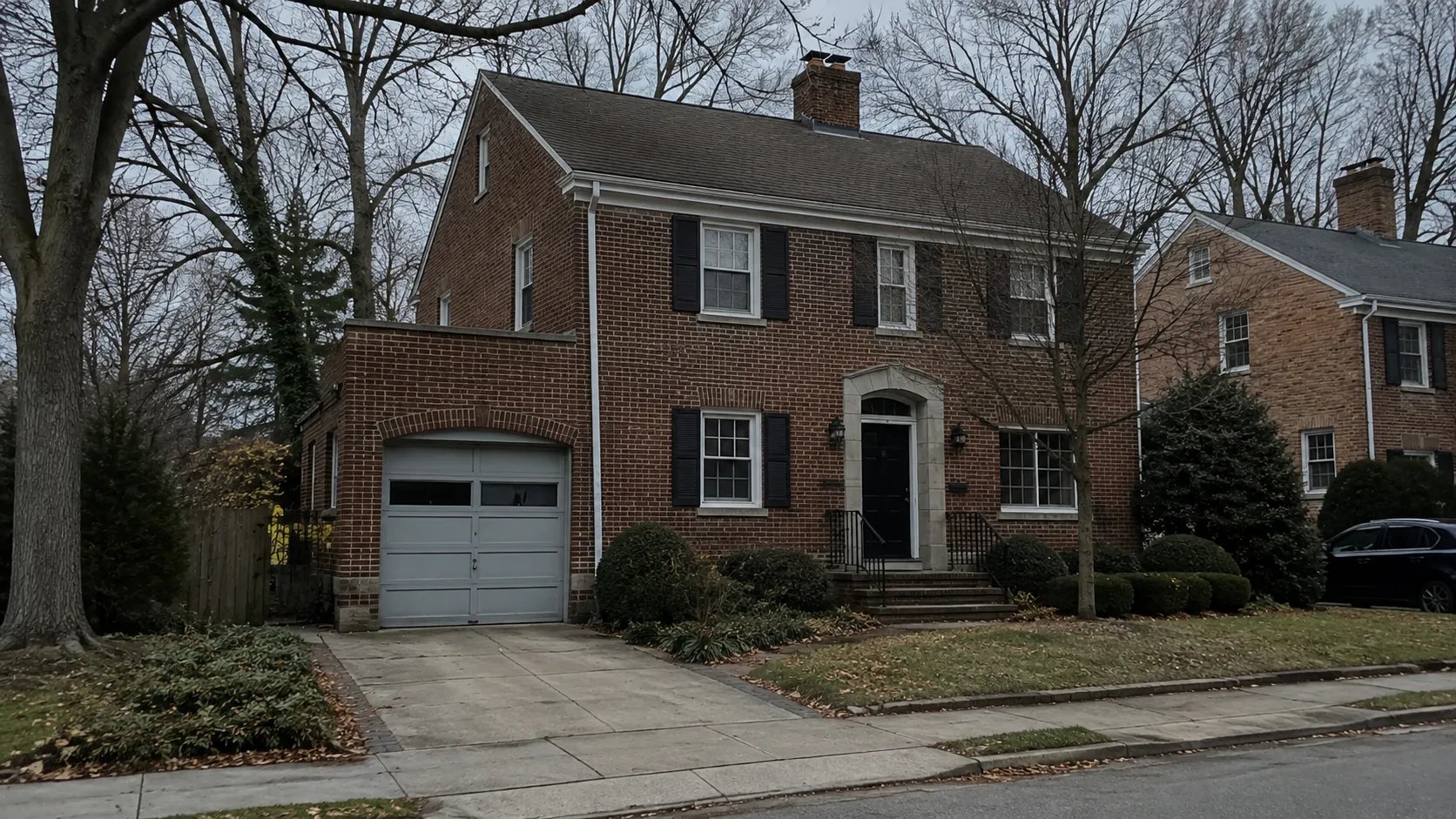
Most of the houses we work on in this service area went up between 1985 and 1991, with the median right around 1987. That matters for openers because a garage built in that window almost always came with a chain-drive unit wired straight to the house circuit, no battery backup, no smart features, nothing to keep the door moving once the power drops. Across six named areas the story repeats: 1980s and 90s stock, same generation of hardware, same blind spot.
Sedona sits in a cold moderate climate band, which is a narrower swing than the high desert reputation suggests but still enough to matter. Cold thickens grease on an old chain, tightens metal tolerances, and makes a marginal capacitor in the motor head fail on the coldest morning of the year rather than a mild one. Pair that with a power cut - and this region gets its share in winter storms - and you've got a door that won't open by remote and won't open easily by hand either, because the manual release on units this old is often stiff or forgotten about entirely.
We don't treat every service call the same. A 1988 opener acting sluggish in January is a different job than a five-year-old unit doing the same thing, and the fix usually is too.
Checking It Yourself
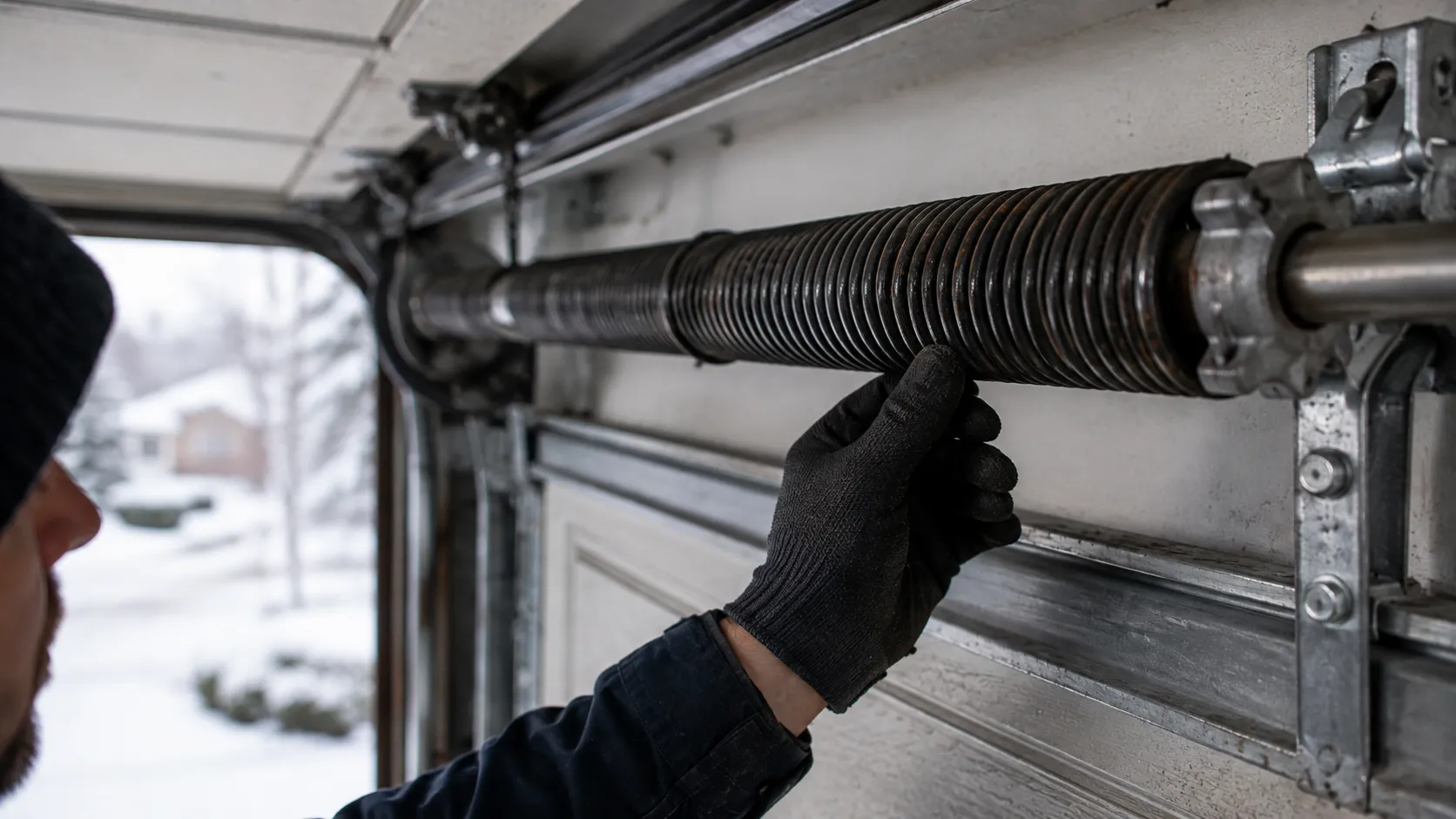
Before you call anyone, find the manual release cord - the red handle hanging from a track near the motor. On a house from the 1985-1991 wave, this cord is sometimes buried under decades of stored boxes or painted-over trim. Pull it during a power cut and the door should move by hand, if the springs are doing their job. If it won't budge, that's spring tension, not the opener, and that's not a DIY fix.
Next, check whether your unit has any battery backup at all. Openers original to houses built in this era almost never do - battery backup on garage openers became common well after 1991, so if your unit is original to the house, assume you have none.
Listen to the motor before it fails outright. A grinding note or a hum with no movement often means the drive gear has worn down, common on original chain-drive units now pushing three and four decades of use. Also check the wall switch and the wiring where it enters the header - cold contracts insulation, and a loose connection that worked fine in summer can drop out on a 20-degree morning. If none of that solves it, that's when a call makes sense, and there's no shame in it - these units were never built to last forever.
The Situation
This service area covers roughly 8,775 households, and about 7,259 of those are owner-occupied houses rather than rentals, which tends to mean owners who care about fixing things right rather than deferring maintenance to a landlord. Median household income here sits at $70,925, and in practice that shows up as people choosing to replace a worn-out opener outright rather than nurse along a unit that's already outlived its motor.
We cover Sedona itself and the towns around it: Cornville about 10 miles out, Munds Park 11 miles, Lake Montezuma 15 miles, Clarkdale 17 miles, Kachina Village 17 miles, Mountainaire 18 miles, and Chapel just 2 miles southeast. Chapel in particular sits inside the same 1980s-90s construction wave as the rest of the area, so the same opener issues show up there on the same schedule.
We don't stock parts for every opener brand made in the late 80s - some of those companies don't exist anymore, and a motor head from that era sometimes has to be replaced rather than repaired because the part simply isn't made. When that's the case, we'll tell you straight rather than string out a repair that won't hold.
What Changes With the Season
In a cold moderate climate, the swing that matters isn't extreme temperature - it's the freeze-thaw cycle repeating through winter. Grease on chain-drive units from the 1985-1991 era thickens on cold nights and loosens again by afternoon, and that repeated cycle is what finally kills a worn drive gear rather than any single cold snap.
Power cuts cluster in winter storms here, and because so much of the original opener stock in this area predates battery backup, a cut means the door stays shut until someone pulls the manual release. If your release cord is stiff or hard to reach, that's worth fixing before the season gets deep rather than during the outage itself.
Spring and fall are when we'd rather you call for a checkup than wait for a failure in January. A five-minute look at the chain tension, the wall wiring, and the release mechanism catches most of what winter would otherwise turn into an emergency call. It's less dramatic than a repair story, but it's the cheaper year, every time.
Talk to a local pro
Garage door trouble in Sedona?
Same-day service with honest, upfront quotes.