
Heavy-duty spring stock
That includes heavier-gauge springs built for the wider commercial spans common on shops and storage bays from that period, and bearing plates that match the older bracket spacing instead of requiring a full track swap.
Sedona, AZ
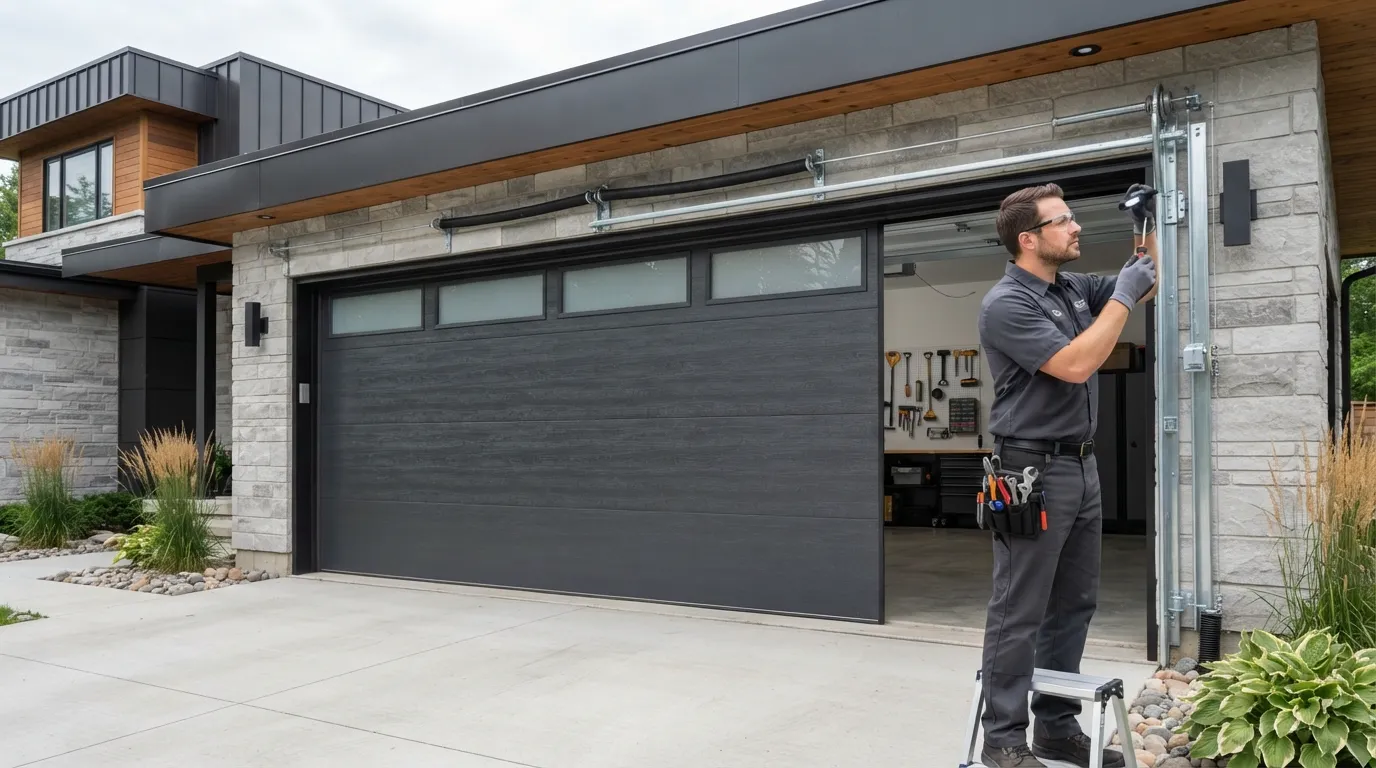
Commercial garage door repair for Sedona shops, offices, and storage bays built during the area's 1985-1991 construction run, matched to torsion hardware from that era.
The repair
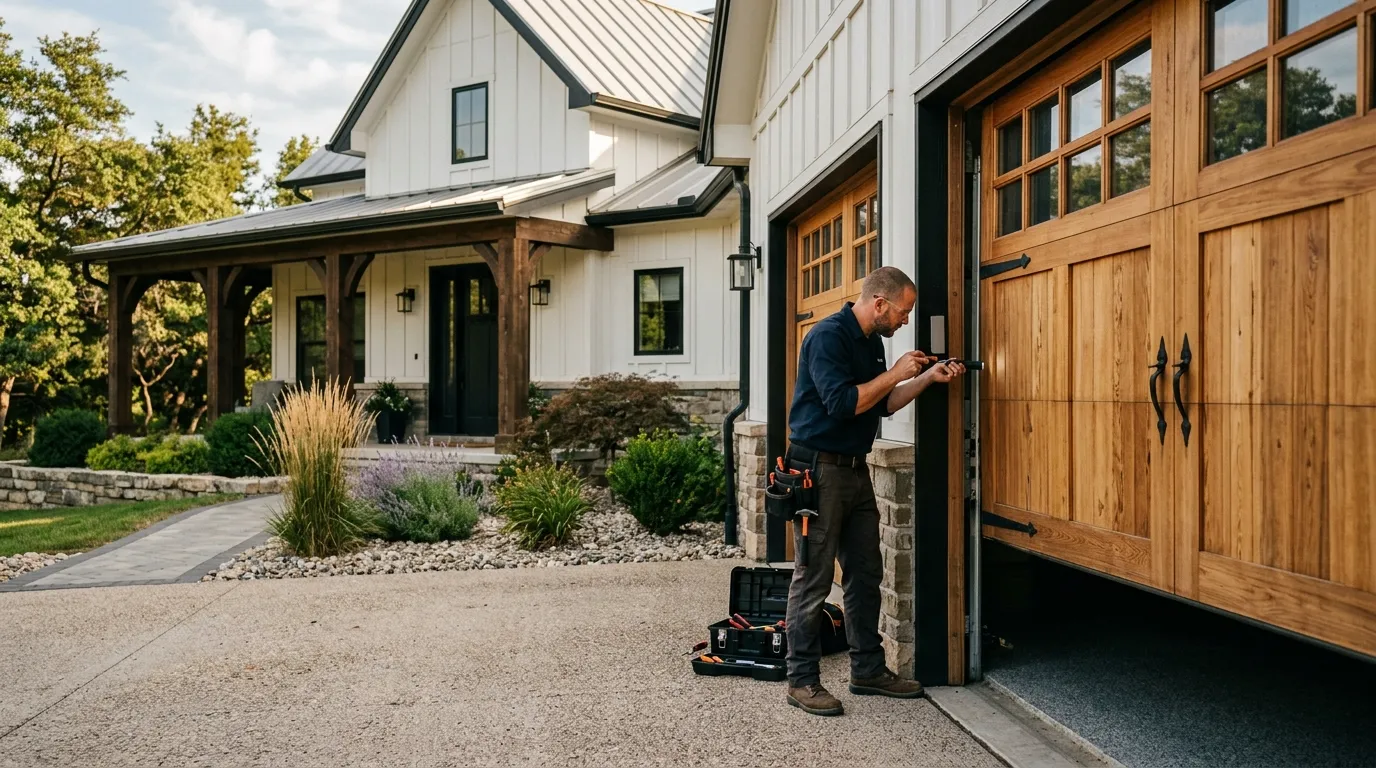
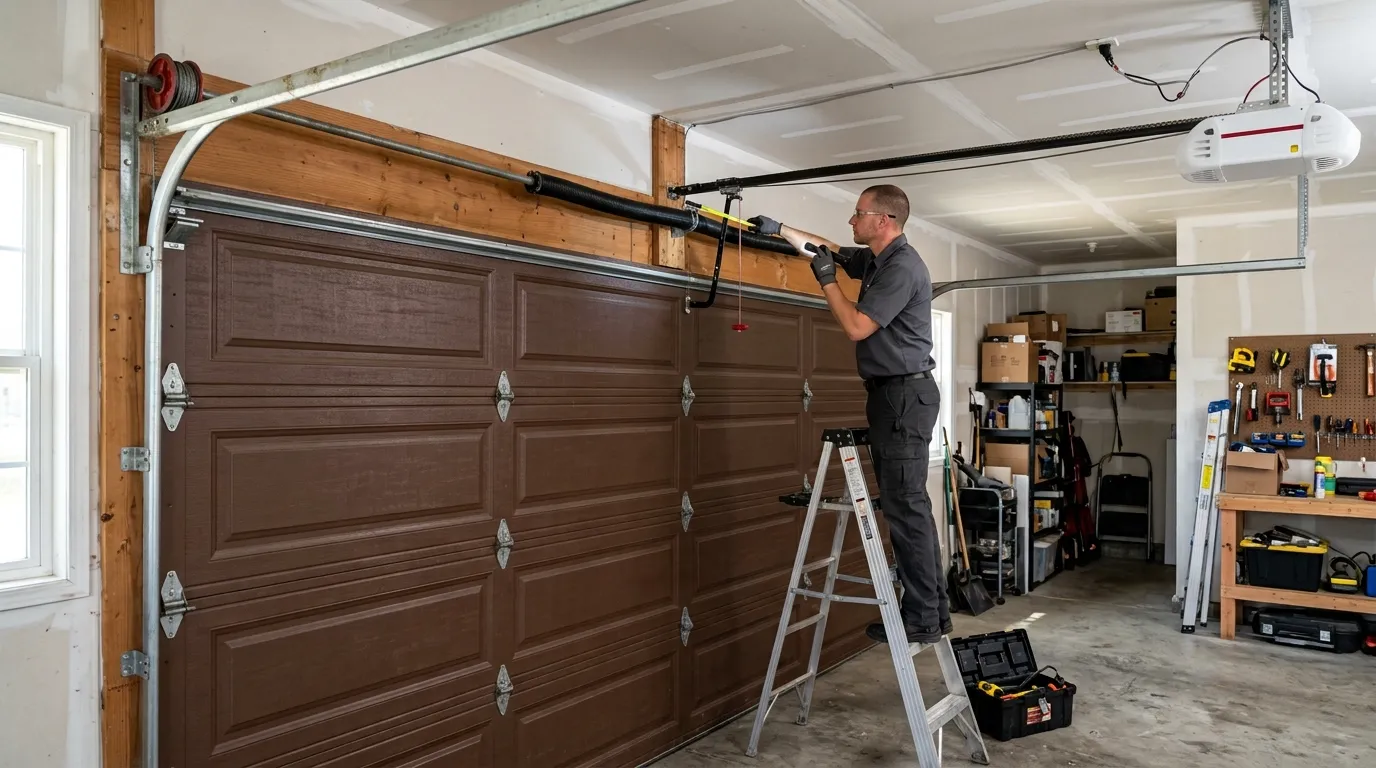
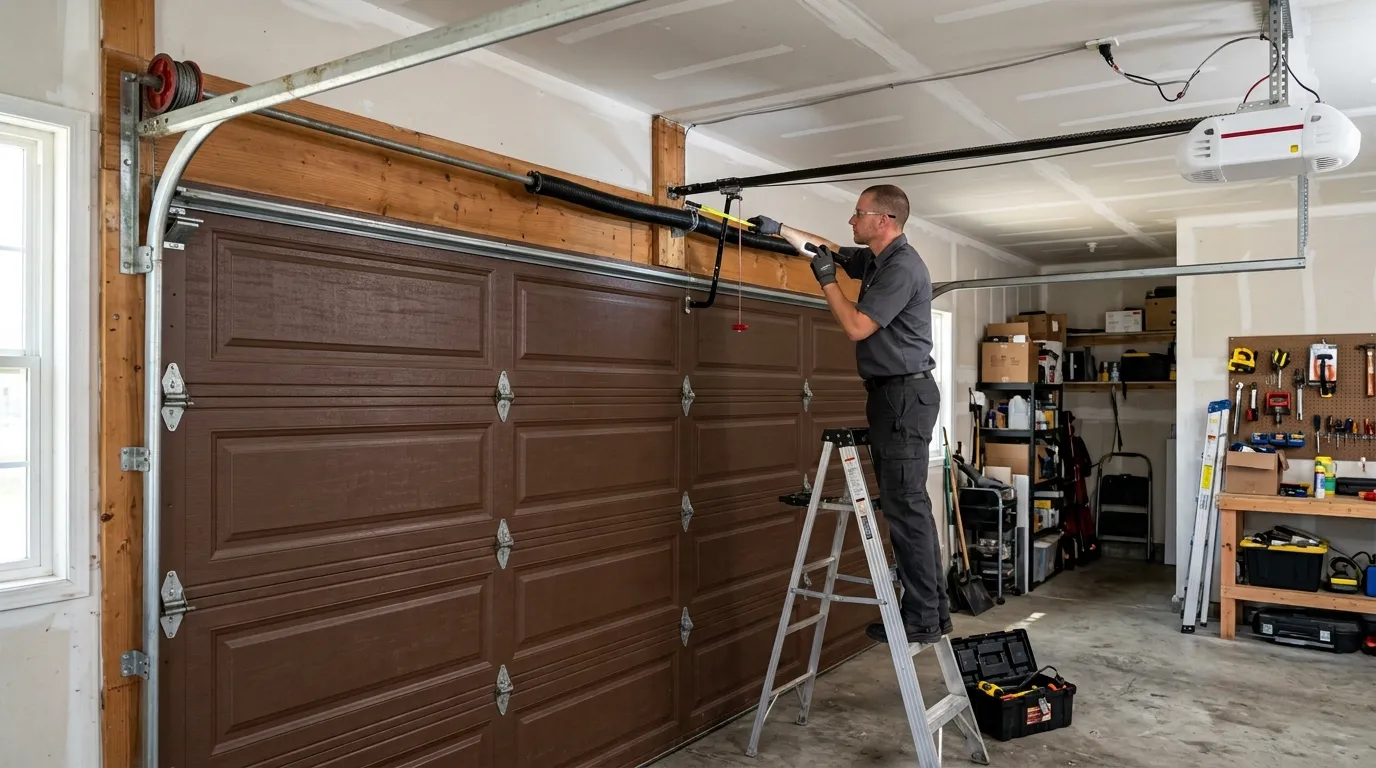
Commercial overhead doors carry more weight and cycle more often than a residential door, so the repair starts with the spring system, not the panel.
On a rollup or sectional commercial door, that usually means pulling the torsion shaft, checking cable drums for wear, and testing the opener's force settings against the door's actual weight rather than a factory default. Most commercial buildings across this service area went up during the 1985 to 1991 construction run that shaped six named parts of the region, and doors installed in that window used torsion springs and drum sizes that later manufacturers stopped carrying.
That means a tech often has to measure wire diameter and inside coil length on site rather than pull a part off a shelf built for newer track. Bearing plates get checked next, since side-mounted commercial hardware from that period wears at the bracket, not just the spring.
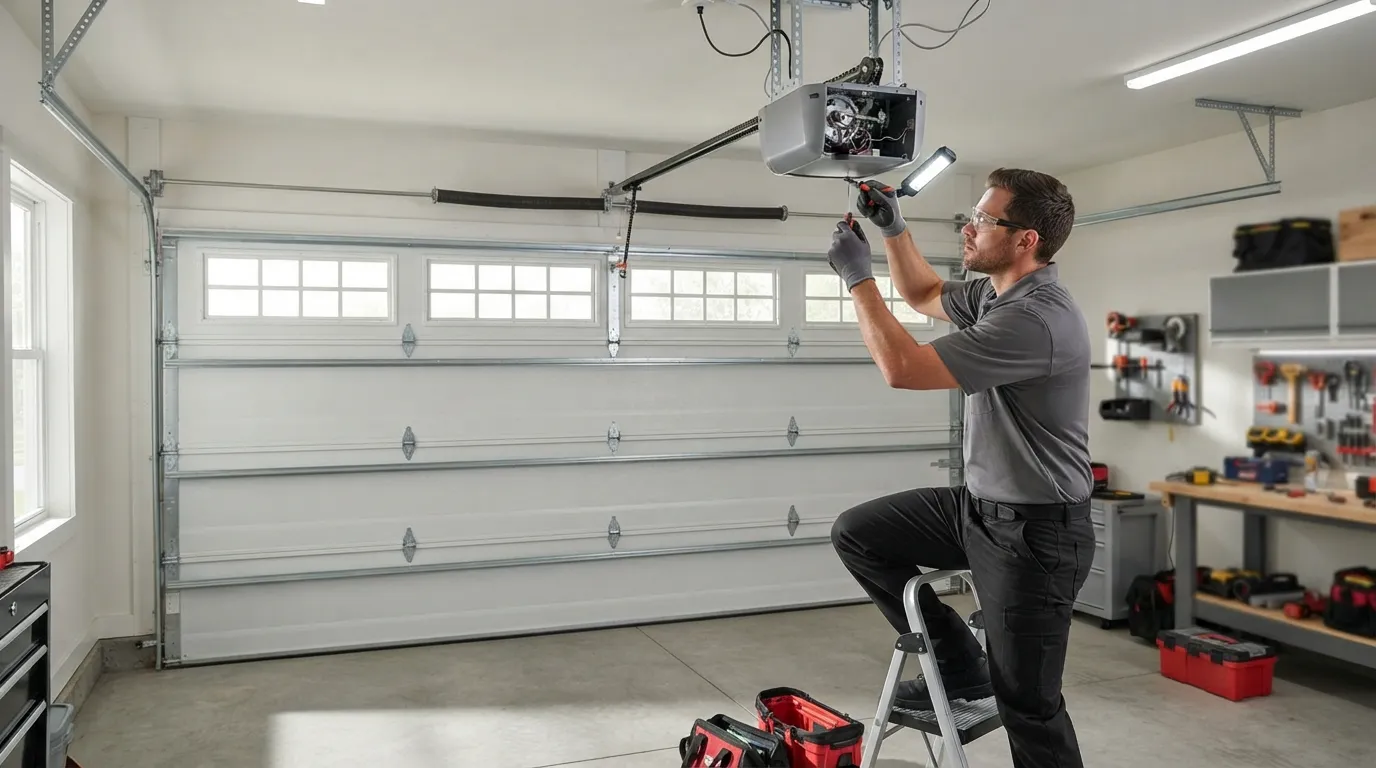
We don't do a same-day swap on every proprietary opener brand out there - some commercial units use control boards that take a week or more to source, and we'll tell you that up front instead of quoting a date we can't hit.
Warning signs
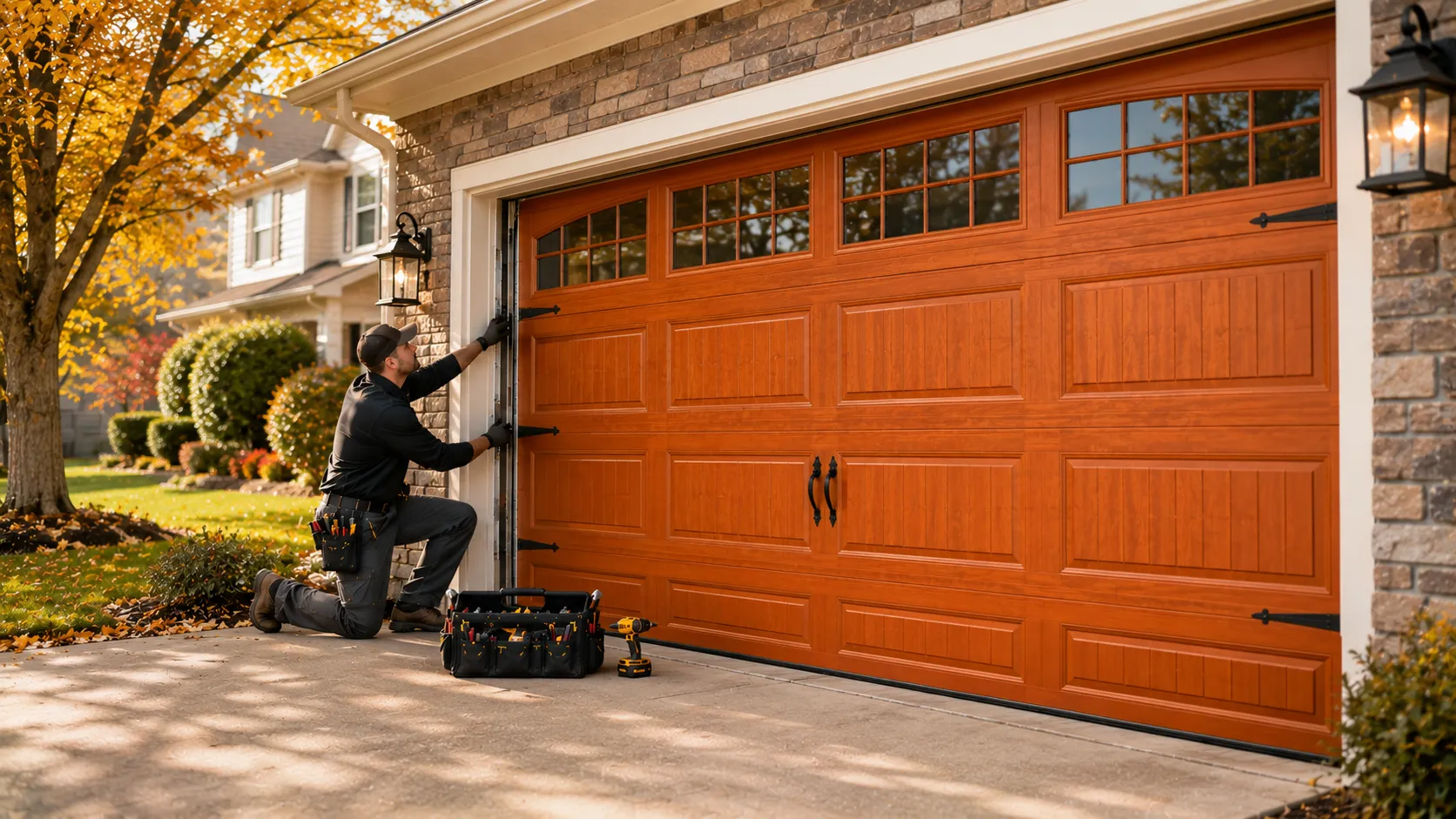
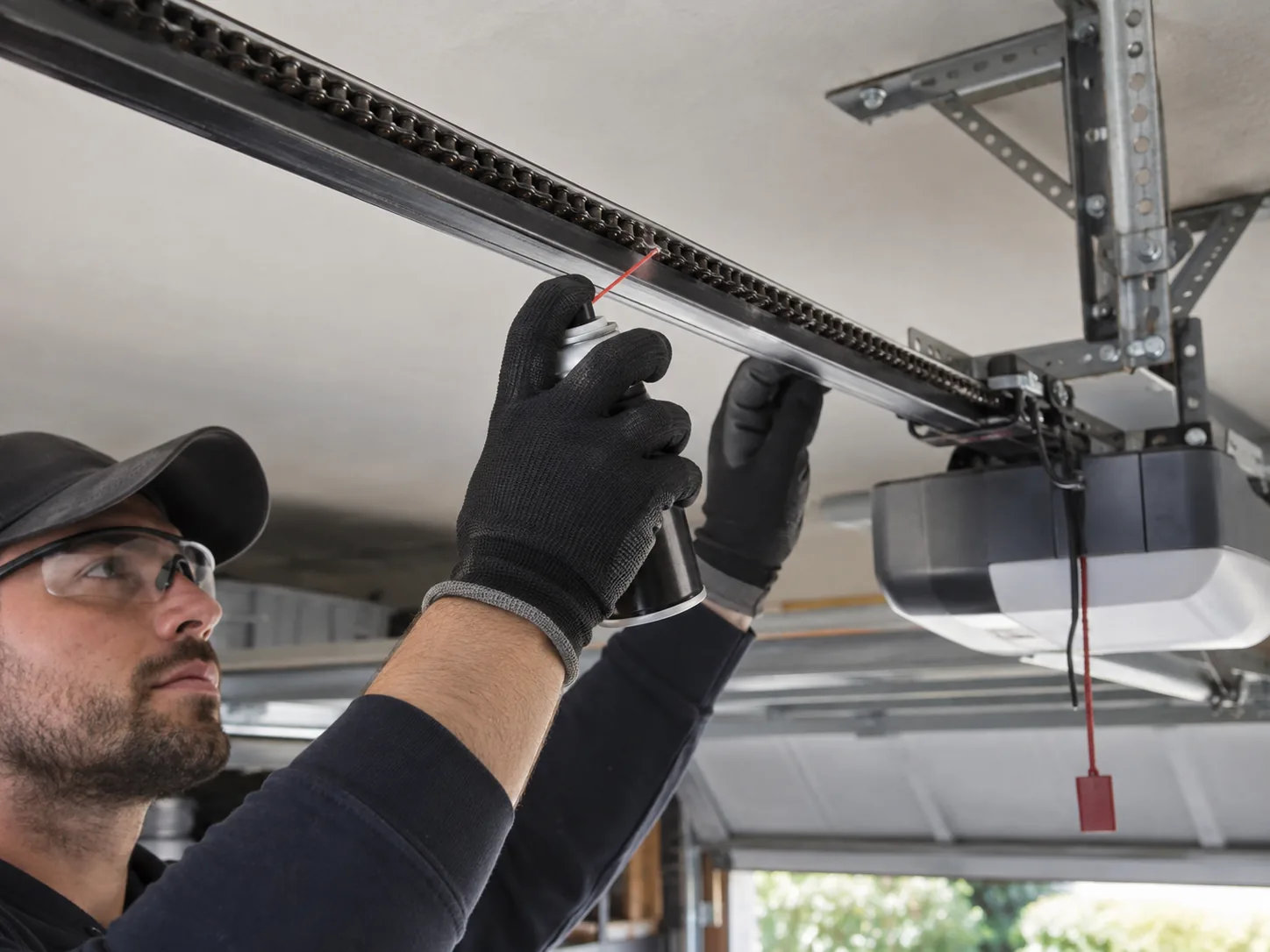
A commercial door from that late-1980s buildup usually starts with a groan on the first cold open of the morning, then a hard stop partway up. That's the torsion spring losing tension unevenly, and on a wide commercial door it throws the whole panel out of square instead of just binding one side. Employees report the door reversing on its own, which is the opener sensing resistance it wasn't built to handle on original hardware pushing three decades of cycles. On some properties the chain or belt starts slipping teeth, which sounds like a grinding tick right at the top of travel. In a cold, moderate climate, lubricant on original bearings thickens overnight and doesn't loosen until the shop's been open an hour, so the first open of the day is often the roughest and the one most likely to snap something that was already close to failing.
Local causes
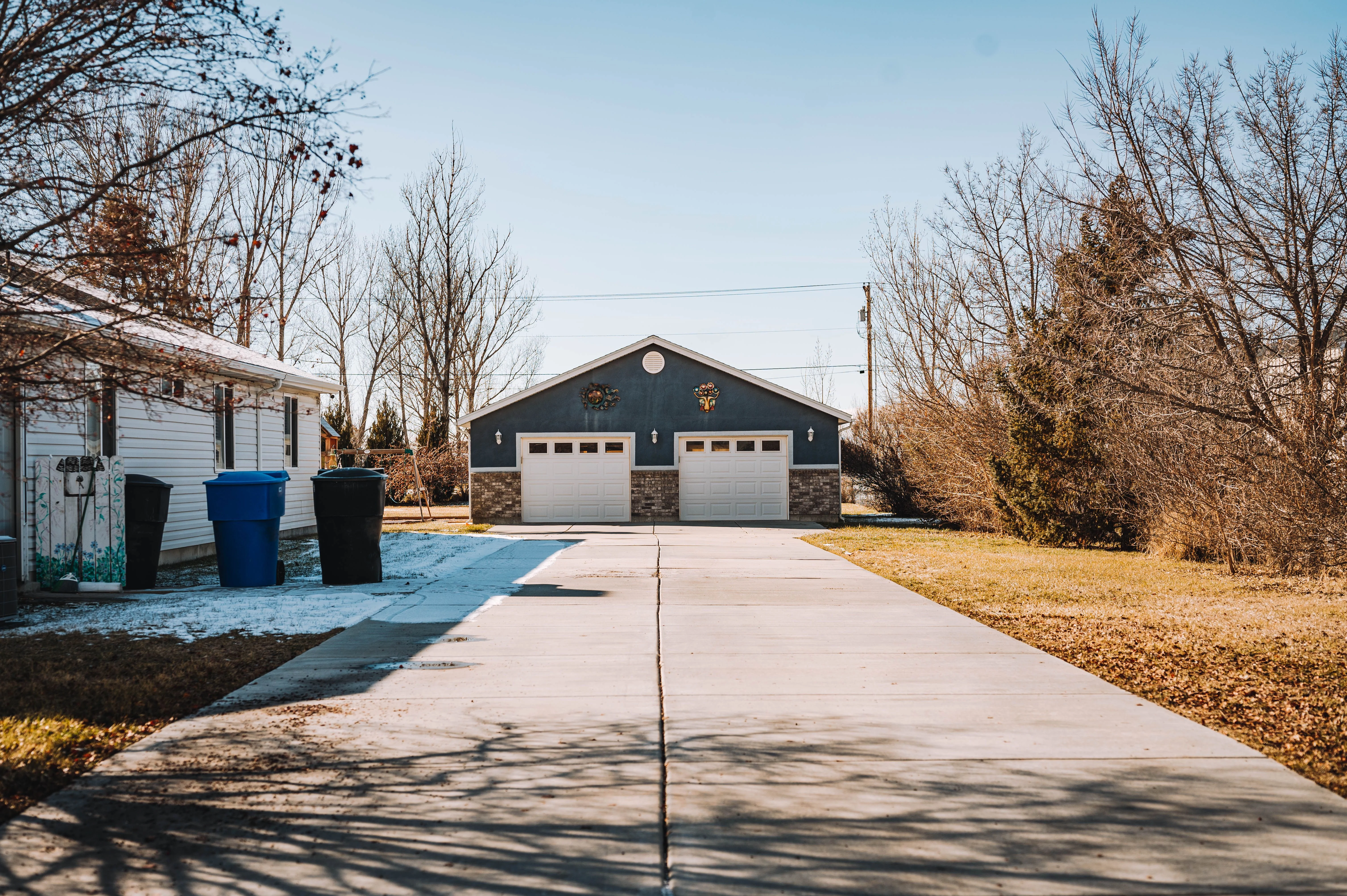
Two things stack against commercial doors here. First, the building stock: most commercial and mixed-use structures across the six areas this region covers were built in that 1985-1991 stretch, meaning the torsion hardware, track gauge, and bracket spacing on a huge share of doors in service today are all from the same manufacturing generation. Parts wear out together because they went in together. Second, the climate band is cold and moderate, which means real overnight temperature swings without the deep-freeze extremes that would force a total redesign of the hardware. That's actually worse for original 1980s-era springs - they don't snap outright from cold, they fatigue slowly as steel contracts and expands every night, and a spring rated for that era's average cycle count reaches the end of its life years before a building owner expects it to. A door that's held up fine for fifteen years can go from fine to broken in one cold week, and that's usually not bad luck - it's the spring finally catching up to its cycle count.
On the truck
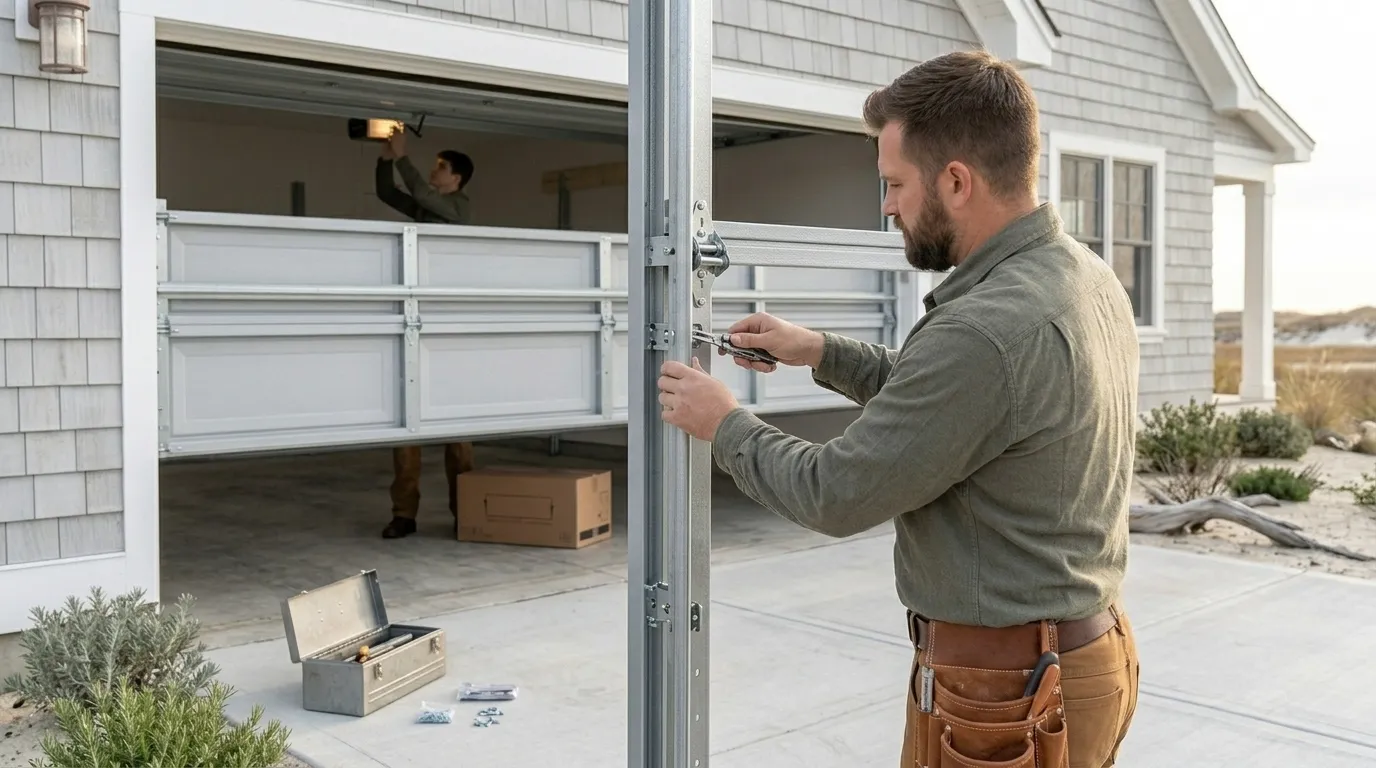
Because so much of the commercial door stock across this area dates to the same 1985-1991 window, we carry torsion springs, cable, and drum sizes sized for doors of that vintage rather than only current-catalog parts.
That includes heavier-gauge springs built for the wider commercial spans common on shops and storage bays from that period, and bearing plates that match the older bracket spacing instead of requiring a full track swap.
What we don't keep on the truck is every proprietary control board for every commercial opener brand - some of those are special-order only, and if your unit needs one, we'll tell you the lead time before we start the job rather than after.
Median household income across the service area runs $70,925, and that's the number that usually decides whether a repair or a full door replacement makes more sense on an older commercial unit - we'll walk through both costs on site.
Questions
We handle commercial overhead and rollup doors for shops, offices, and storage buildings across the service area, not just residential garage doors. The repair approach is different because commercial doors carry more weight and cycle more often, so spring sizing and opener force settings get checked against the door's actual specs rather than a standard residential setup.
Most commercial buildings here were built between 1985 and 1991, and torsion springs from that era have a fixed cycle life. Years of cold, moderate overnight temperature swings fatigue the steel gradually, so a door can run fine for a long stretch and then fail within days once the spring hits its limit. It's rarely one dramatic event.
For torsion springs, cable, and drums sized for the 1980s-era hardware common across this area, yes, we stock those. Proprietary control boards for some commercial opener brands are special-order, and lead time varies. We check the part before quoting a completion date so you're not left guessing.
It depends on the door's age, spring size, and how much of the original hardware is still sound. We look at the actual repair cost against a full replacement and give you both numbers before starting work, rather than defaulting to either option.
Explore more
Ready when you are
Sedona Garage Door Pros repairs and installs garage doors, springs and openers in Sedona, AZ and the surrounding area.