
Audible wear signals
You'll hear it before you see it - a grinding roller, a clunk from one side of the track that the other side doesn't make, or a spring that used to hum now makes a metallic pop on release.
Sedona, AZ
Seasonal garage door maintenance for Sedona homes built 1985-1991, where cold-moderate winters and original 1980s hardware wear springs and rollers fast.
The repair
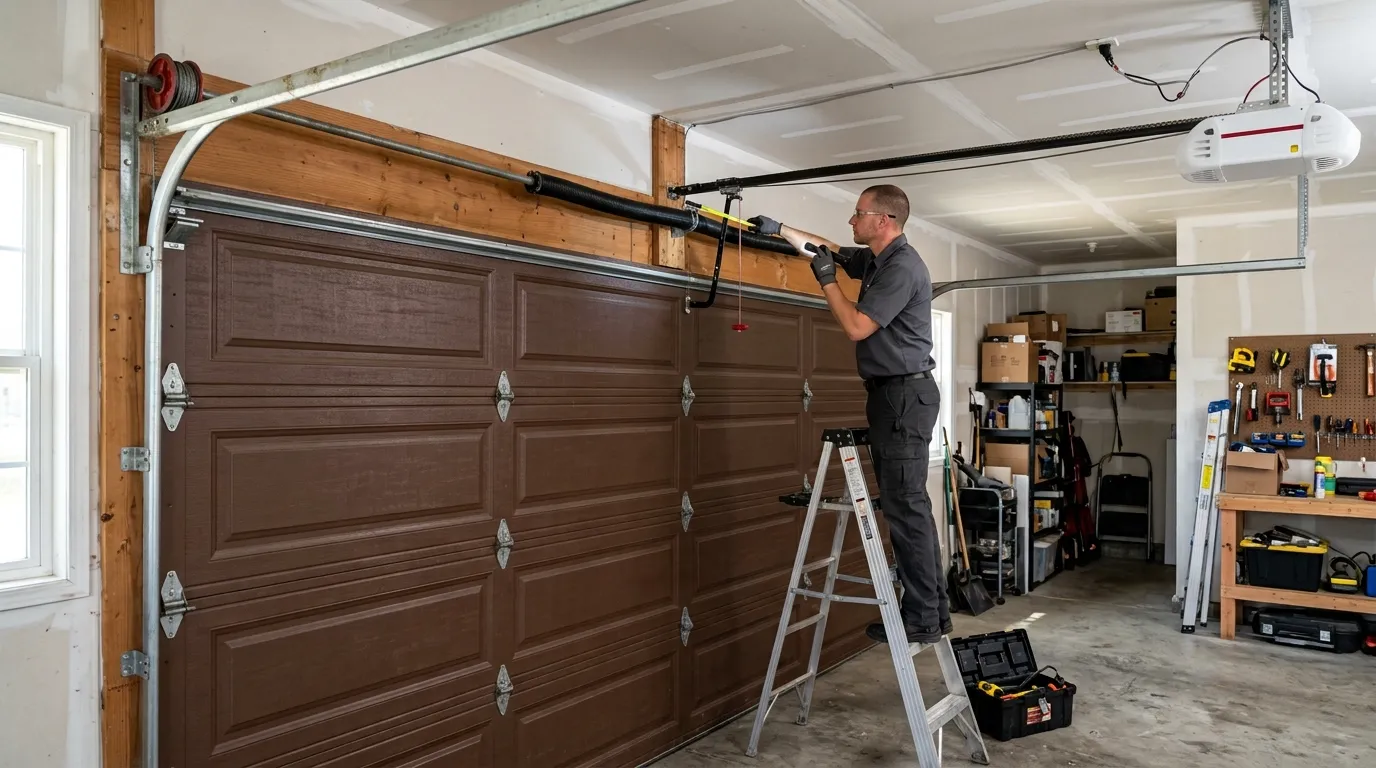
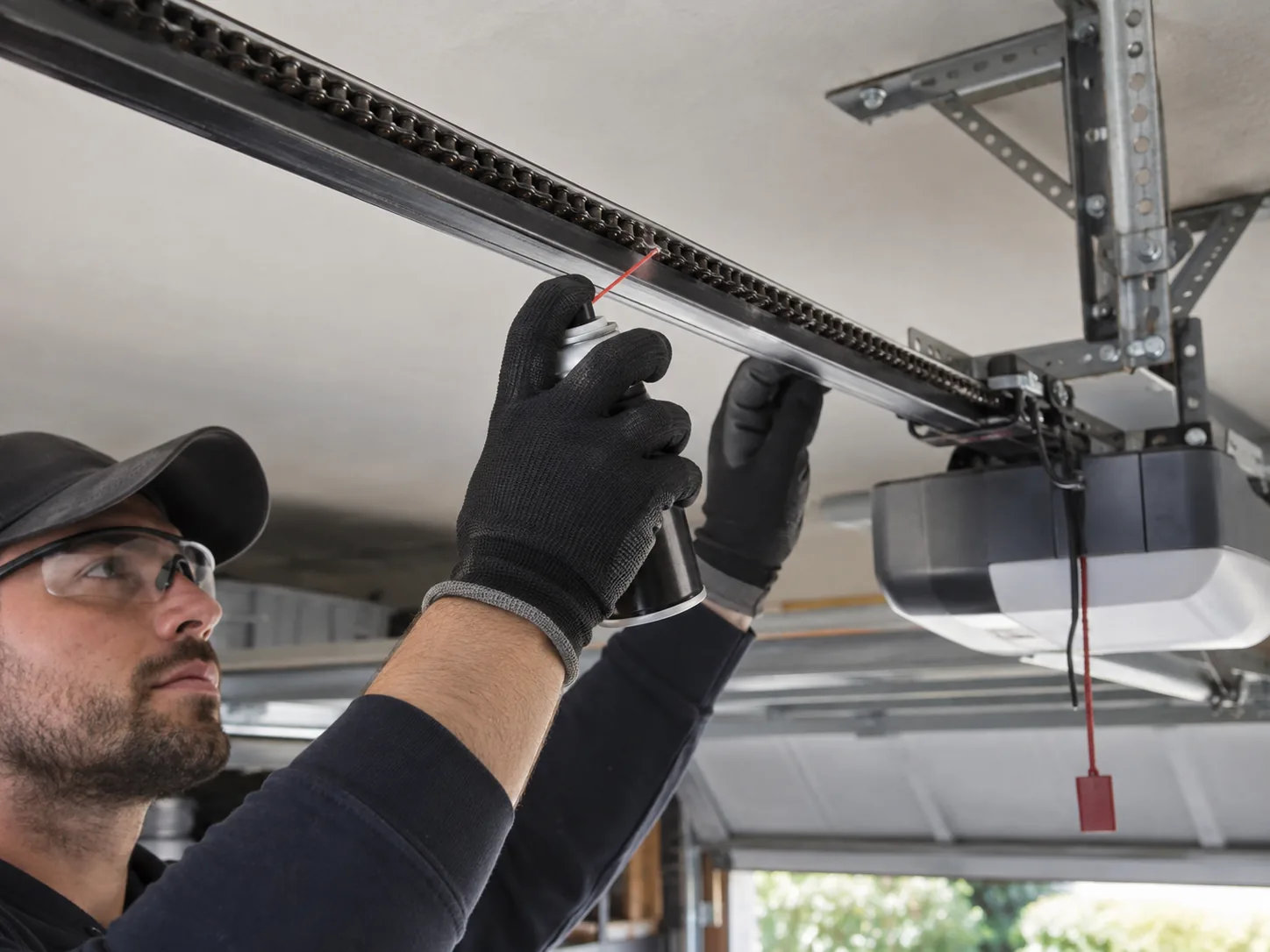
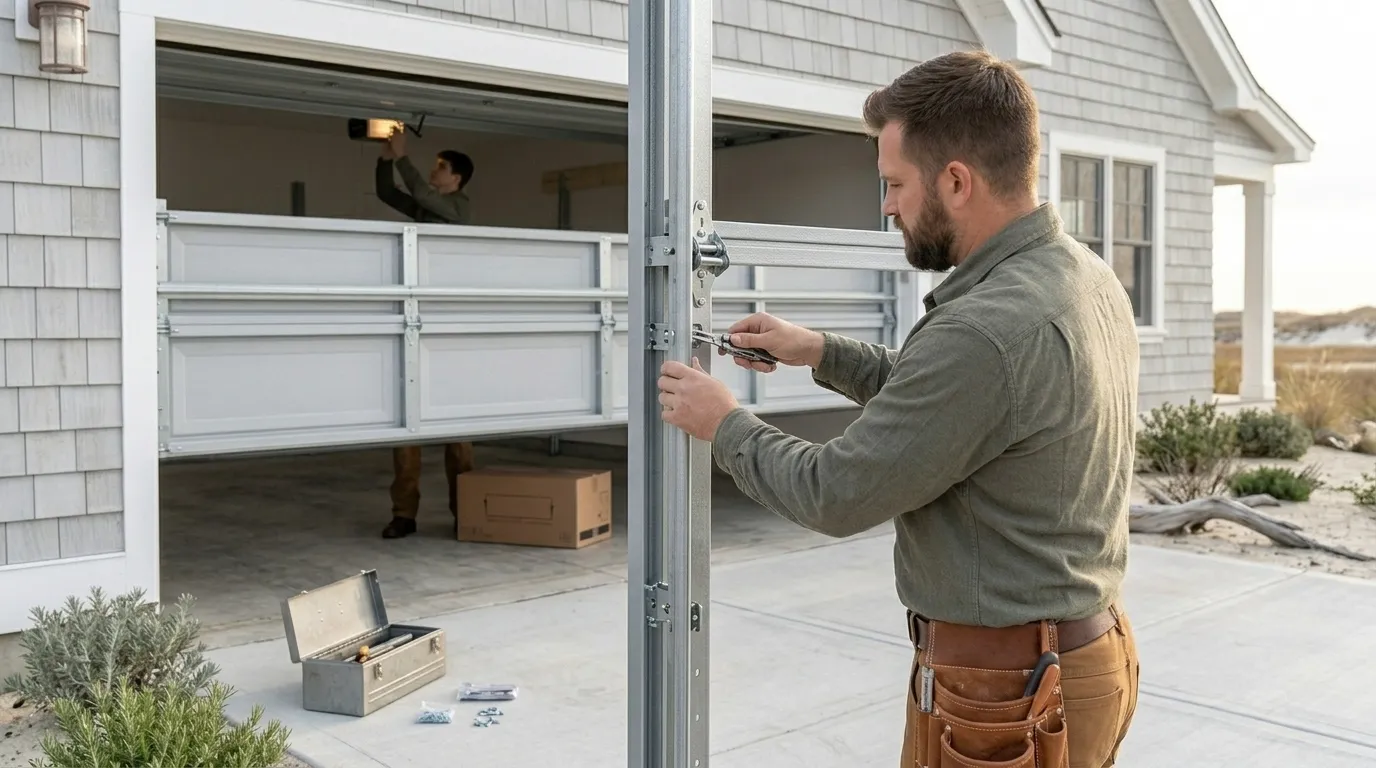
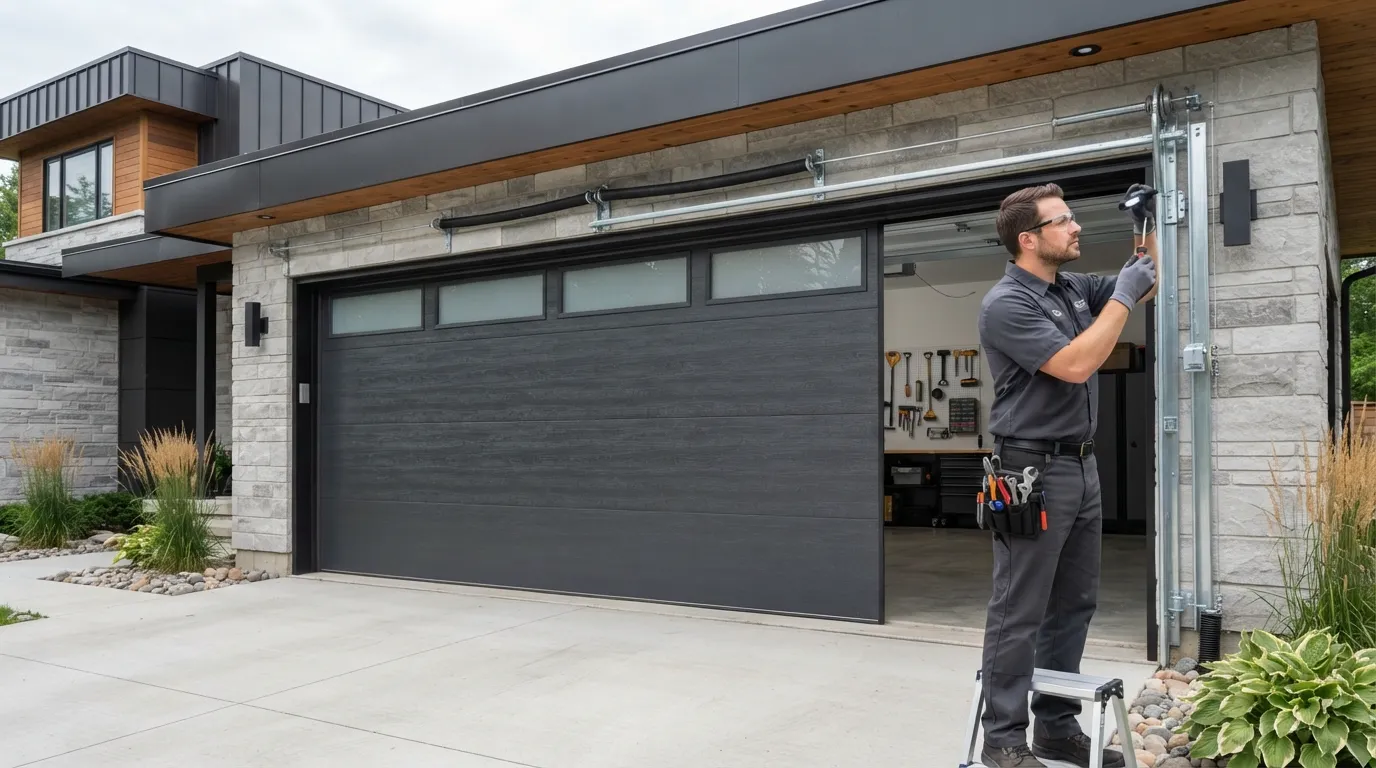
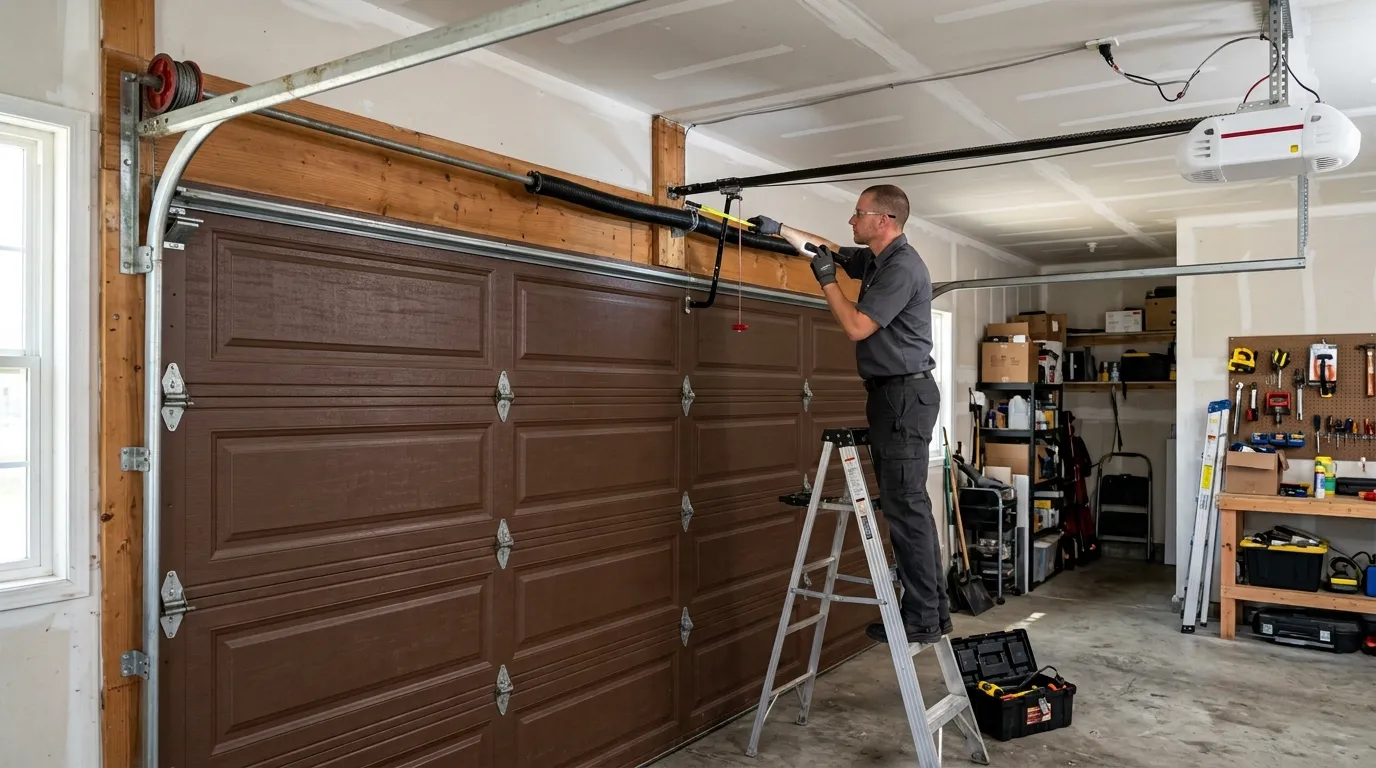
A real maintenance visit isn't a five-minute spray-and-go. We check spring tension against the door's actual weight, not a guess, because a torsion spring that's even slightly off pulls a door crooked over time.
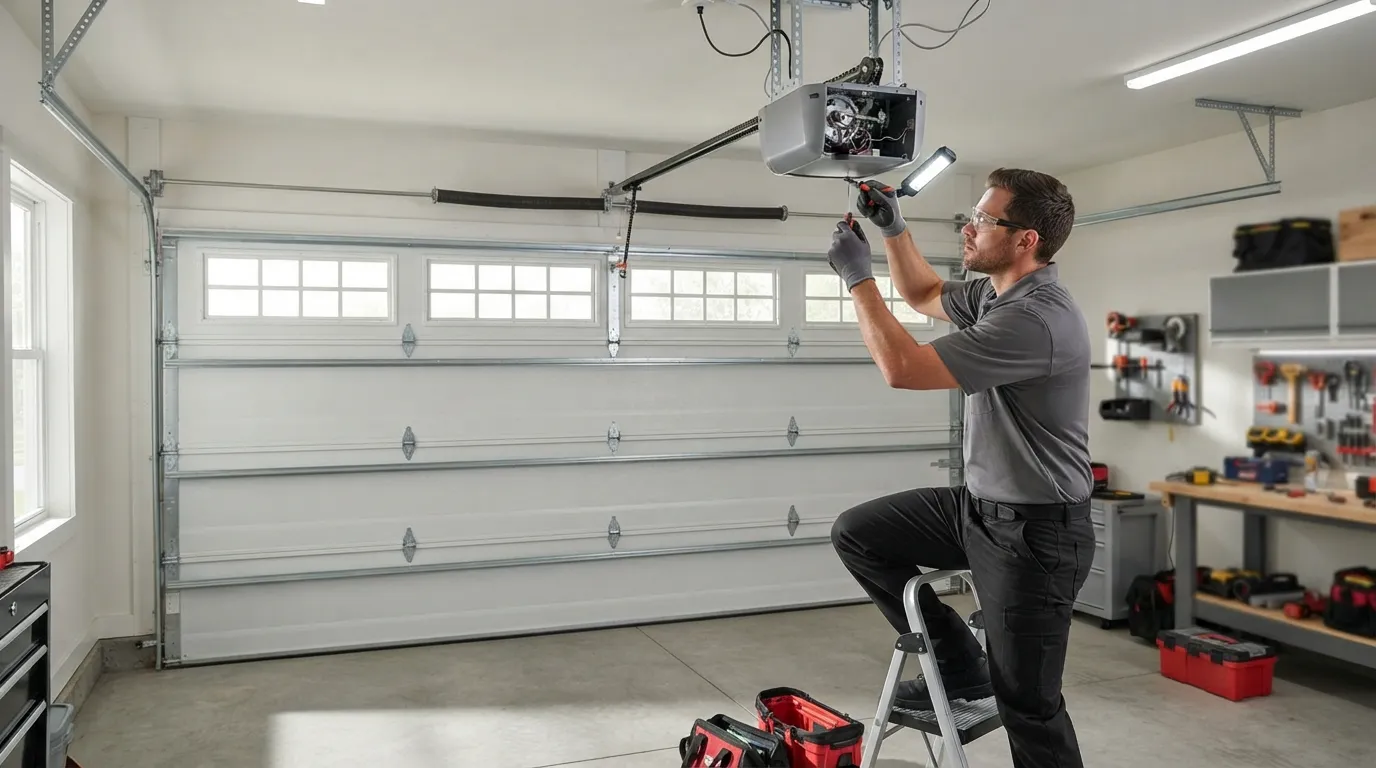
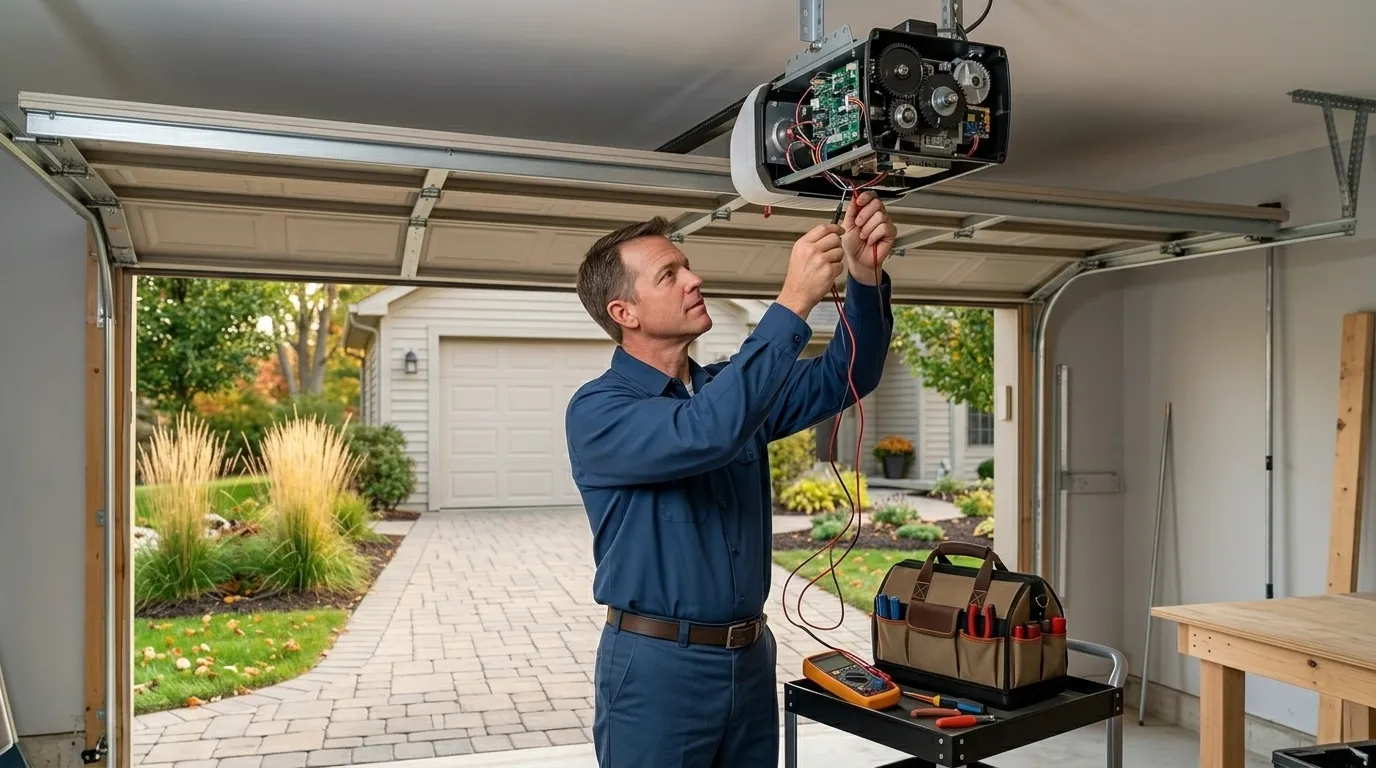
We pull each roller and look for flat spots or cracked bearings, check the track for bowing at the mounting brackets, and torque down every lag bolt that's worked loose from years of thermal cycling. The opener gets a look too - chain or belt tension, limit settings, and the force setting, which drifts as springs age and stop compensating the way they did when new.
Most of what we do here is preventive: catching a fraying cable before it snaps under load, catching a spring that's lost coil tension before it lets a door slam down. On a lot of the doors we service, this is the first real service they've had since installation.
That's not unusual for houses this age - nobody thinks about the door until it stops working. A full tune-up on a standard double door usually runs under an hour once we're on site, though we won't rush a spring adjustment just to hit that number.
Warning signs
The signs are almost always mechanical before they're electrical. A door that used to glide now hesitates a few inches off the floor, or the opener strains and reverses partway up.
You'll hear it before you see it - a grinding roller, a clunk from one side of the track that the other side doesn't make, or a spring that used to hum now makes a metallic pop on release.
Uneven closing is the one we get called about most: one side of the door reaches the floor a beat before the other, which almost always means a spring has lost tension unevenly or a cable has stretched.
Left alone, that unevenness puts extra load on the opposite side, and now you're looking at two failures instead of one. A cable fraying near the bottom bracket is another one - it doesn't announce itself until a few strands are already gone, which is why we check it by hand, not by eye, on every visit.
Local causes
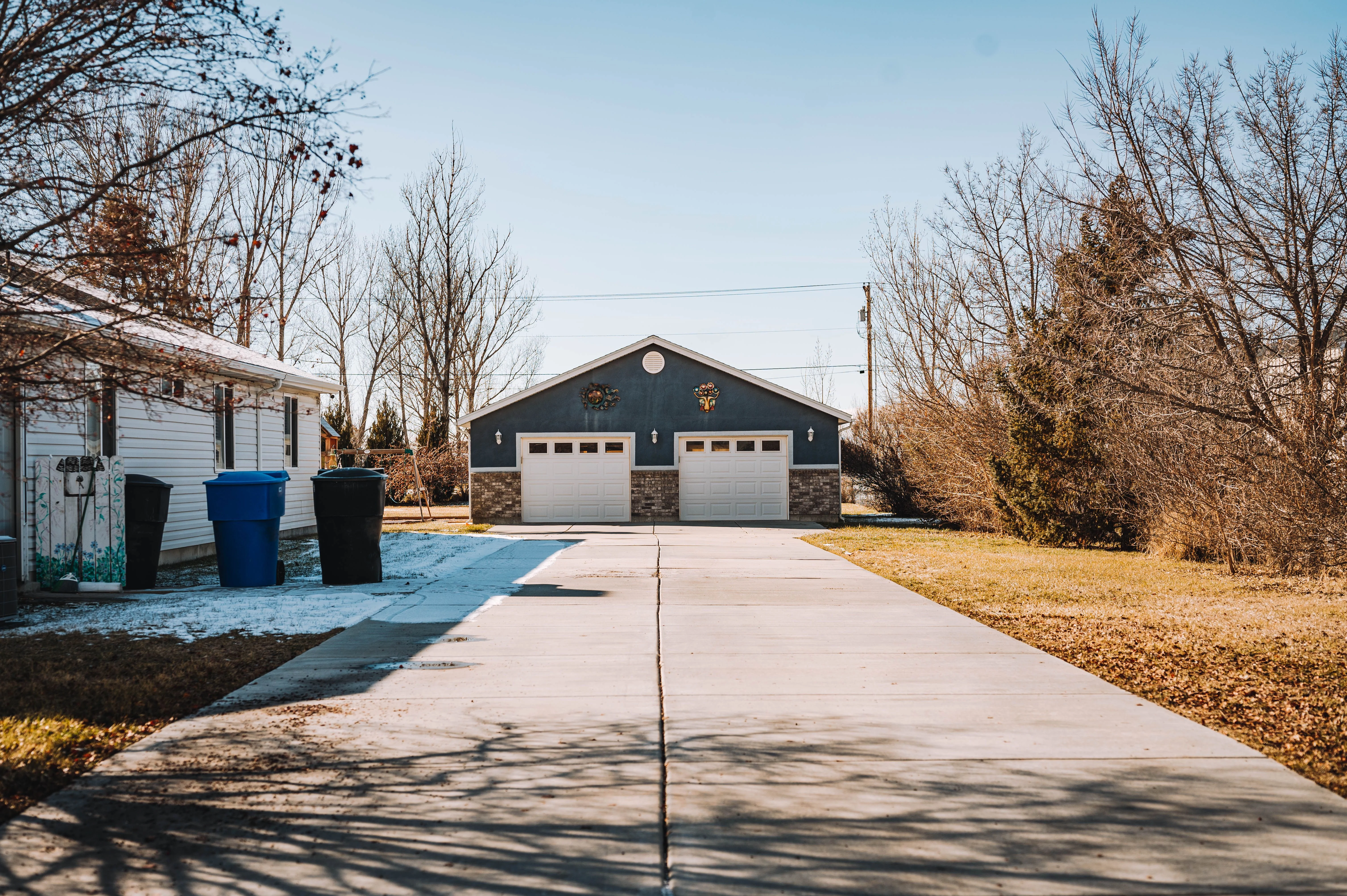
Most of the housing across the Sedona service area went up between 1985 and 1991, with the bulk of that stock spread across six named areas built in that same late-1980s to early-1990s run. That matters for maintenance because torsion springs have a rated cycle life, and a door installed in 1987 that's still on its original hardware is well past what most manufacturers spec for a spring under regular cycling in a cold-moderate climate.
The climate band here doesn't help. Cold-moderate means real temperature swings between morning and afternoon, and steel expands and contracts with that swing more than owners expect. Grease that's fine at noon stiffens overnight, which is why a door that closed smoothly yesterday grinds at 6am today. Across 7,259 owner-occupied houses in the service area, we see the same failure pattern repeat - not because of bad luck, but because the housing stock and the climate are both working against the same 35-plus-year-old hardware at the same time.
On the truck
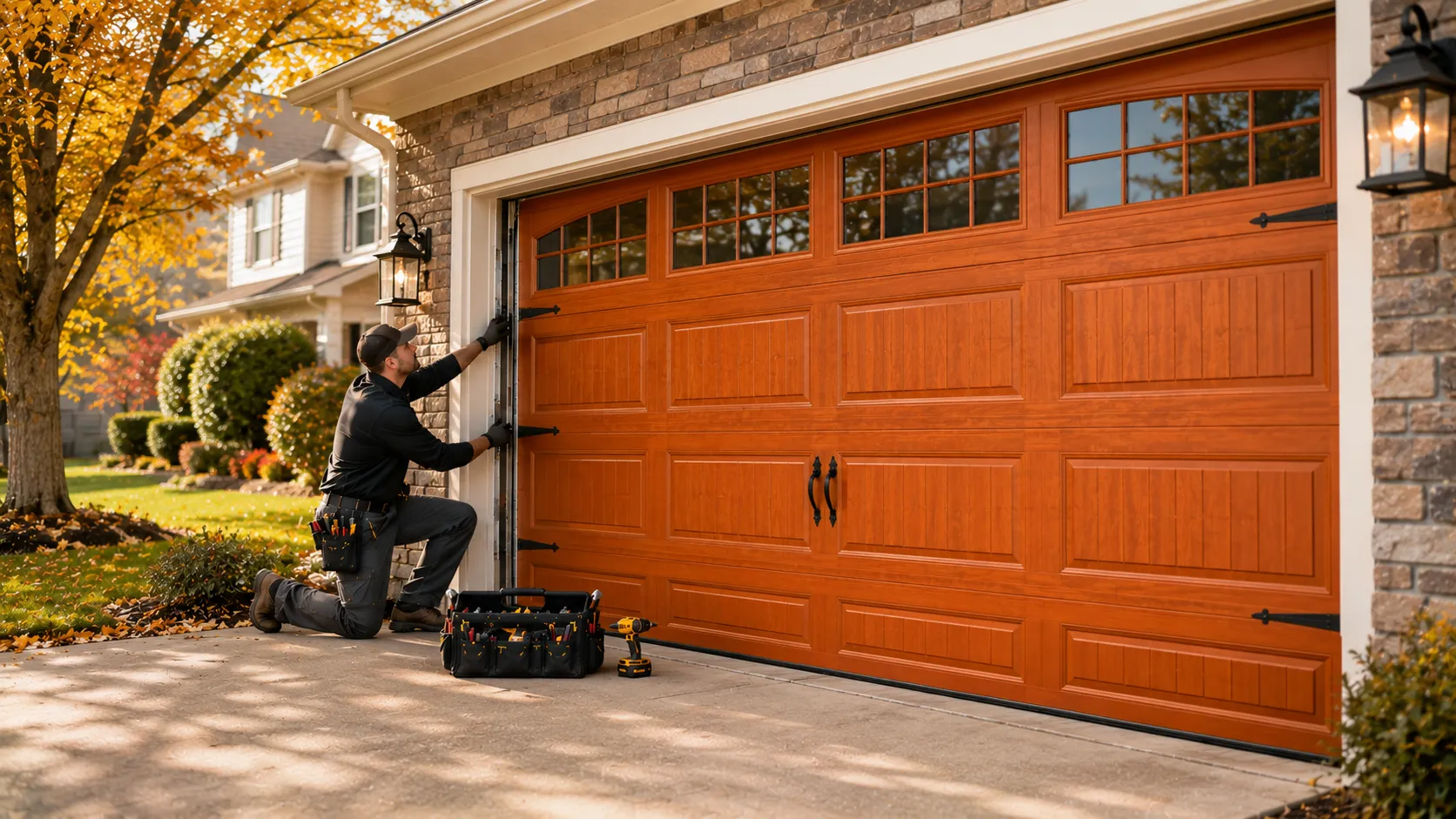
Because so much of the stock across the service area dates to the same 1985-1991 window, we keep the parts that era of door actually needs on the truck: standard torsion springs sized for the common door weights from that build period, steel rollers, lift cables, and the hinge and bracket hardware that wears fastest. That covers the large majority of maintenance calls without a return trip.
What we don't carry on the truck is anything custom - odd-sized doors, discontinued opener boards, or hardware from a manufacturer that's since changed spec. If a job needs one of those, we'll tell you straight instead of forcing a part that's close but not right, and we'll give you a real timeline instead of a guess. That's the one honest limit on same-day work here: common parts for common doors, same visit; anything outside that, we order it and come back.
Questions
Once a year is a reasonable baseline for most doors here, given the temperature swings in our cold-moderate climate. If your door was installed during the 1985-1991 building wave that covers most of the service area, and it hasn't had a tune-up yet, that first visit matters more than the annual ones after.
Cold overnight temperatures thicken grease on the rollers and springs, so the door has to work harder to move until things warm up. It's a normal effect of our climate band, not a sign the door is failing outright, but it's worth having the lubrication and spring tension checked if it happens every day.
If the door and opener are both original to a house from the 1985-1991 era and multiple parts are worn, replacement can cost less over time than repeated repairs. If it's one worn component on an otherwise sound door, maintenance is the right call. We'll tell you which situation you're in rather than upsell either way.
Explore more
Ready when you are
Sedona Garage Door Pros repairs and installs garage doors, springs and openers in Sedona, AZ and the surrounding area.