Sedona, AZ

Garage Door Opener Installation Built for Sedona's Housing Stock

Opener installs sized for Sedona's 1985-1991 housing stock and cold-moderate winters, with the parts and mounting hardware those garages actually need.

Garage Door Opener Installation Built for Sedona's Housing Stock in Sedona
Serving Sedona, AZBackground-checked techsHonest, upfront pricingFast local response
1985–1991
Typical build years of local homes
Cold winters
Climate that shapes door wear
7,259
Owner-occupied homes in the area
8,775
Households in the area

The repair

What the Repair Takes

A proper opener install isn't just bolting a unit to the ceiling and running a remote through the app. Most houses in this service area went up between 1985 and 1991, and that median build year matters more than people think.

  1. Header adequacy verification

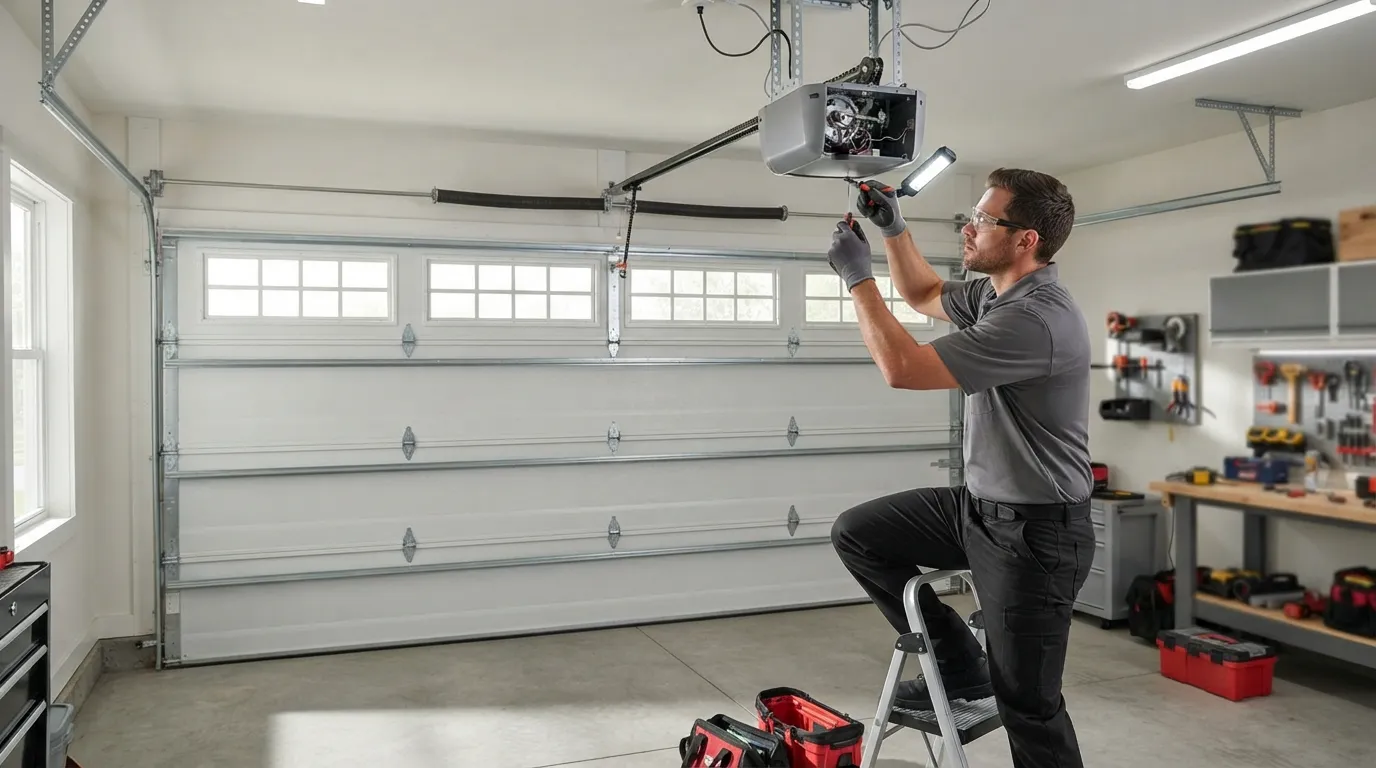
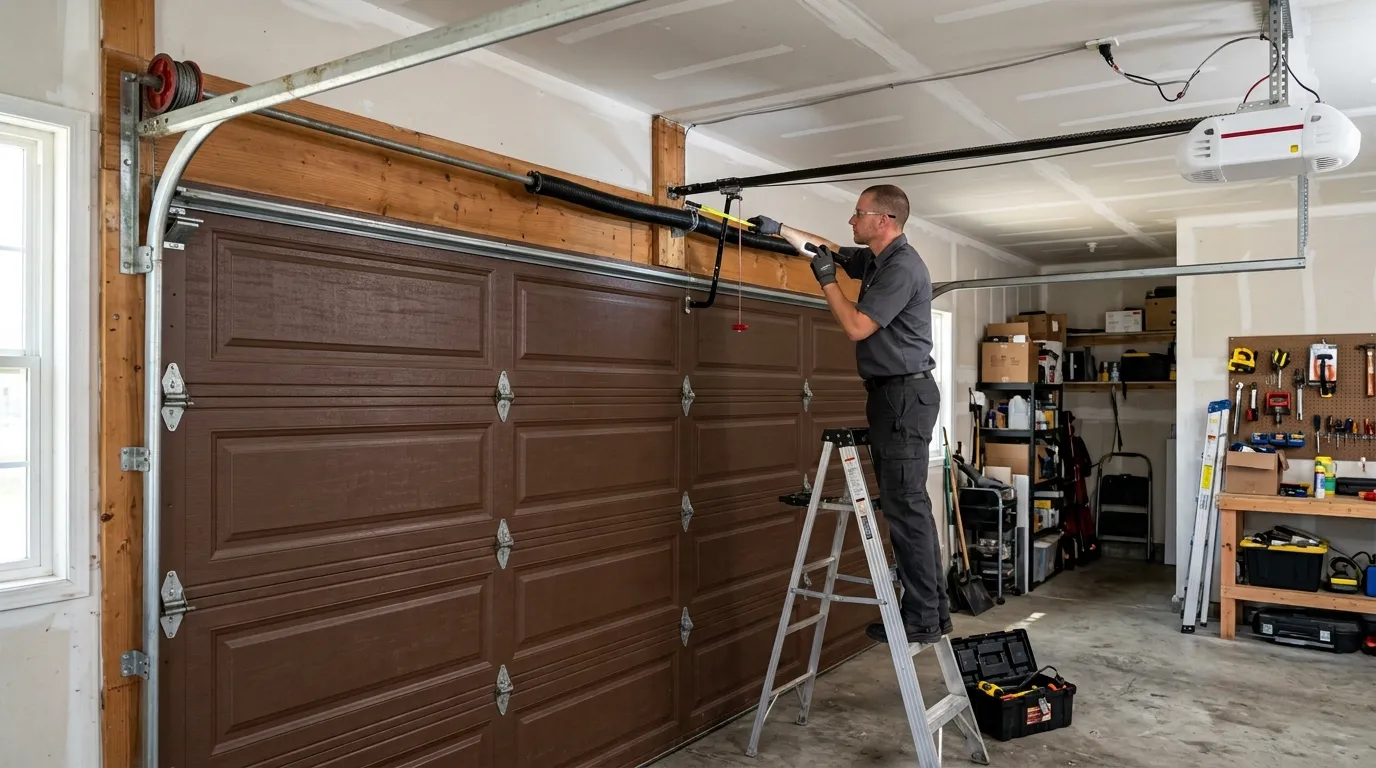
    Garages from that era were framed for chain-drive openers rated well under today's standard horsepower, with header boards that weren't always braced for a heavier belt-drive unit or a battery backup module. The job starts with checking what the header can actually hold, not just what fits in the box.

  2. Preinstallation balance testing

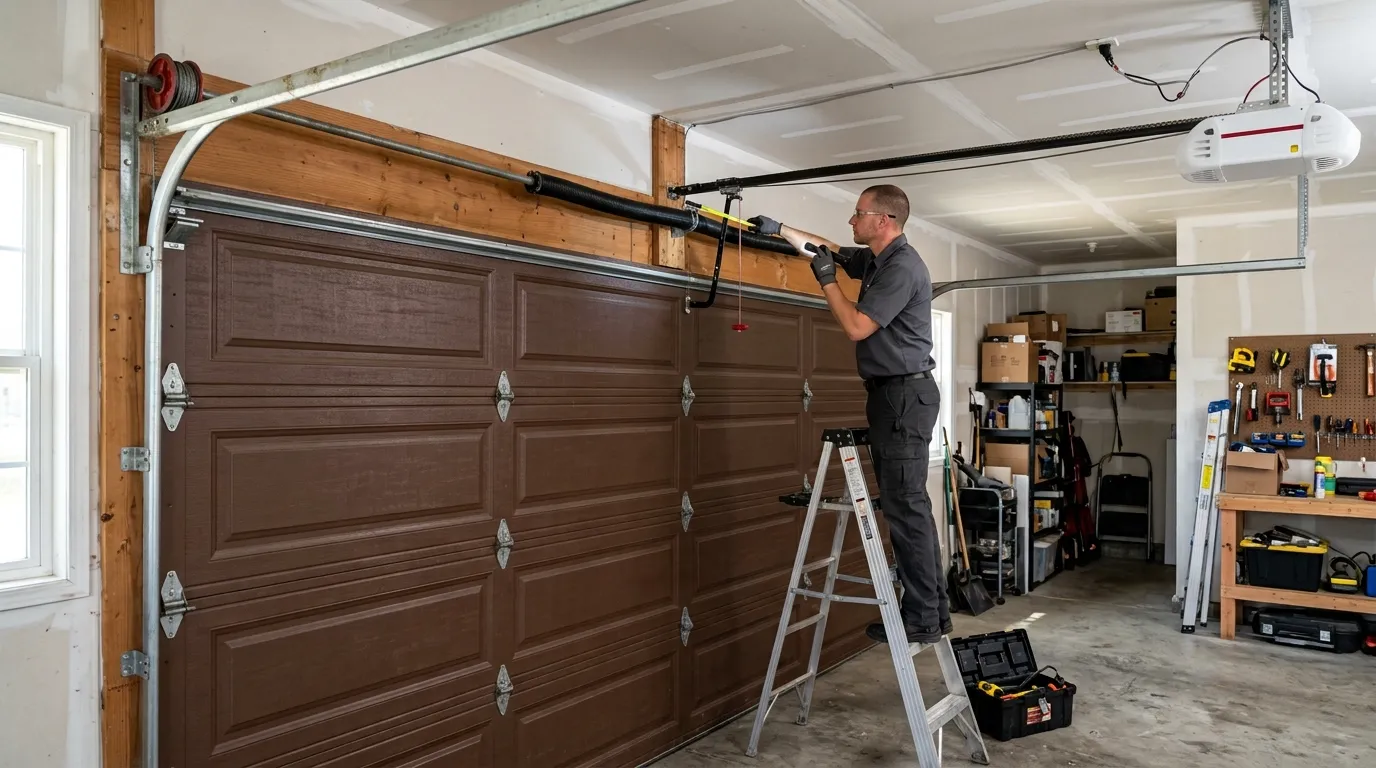
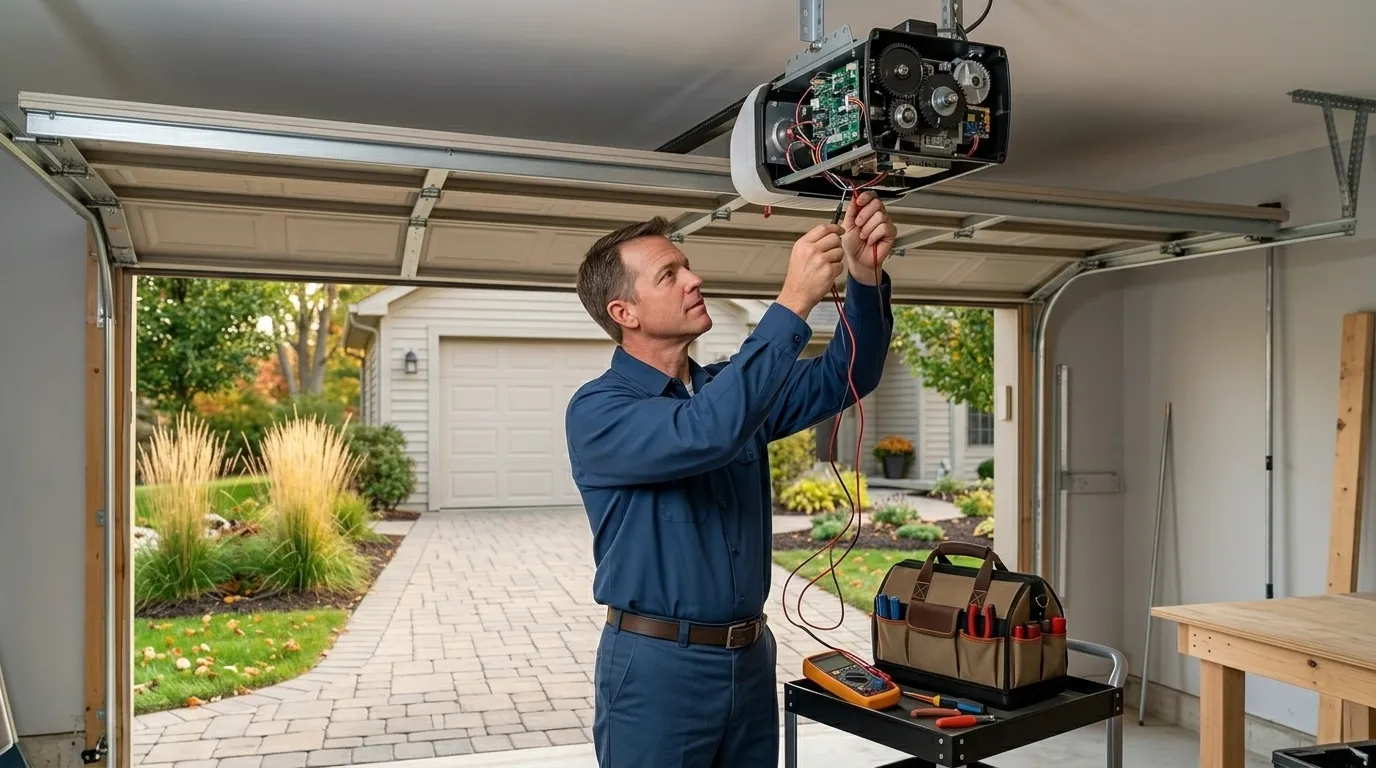
    We test door balance before the opener goes up - an opener fighting an unbalanced door from 1987-era hardware will burn out its gears in a season, warranty or not. Wiring is next: houses built before the mid-90s often have no dedicated outlet near the rail, so we run one rather than leaving a cord stapled along a joist.

  3. Manual calibration importance

    We also set travel limits and force settings by hand rather than trusting factory defaults, because a door with 35 years of spring fatigue closes differently than one from a new build. That calibration step is the difference between an opener that lasts and one that's back on our schedule inside a year.

Warning signs

How It Shows Up

The calls we get for opener trouble in this area cluster into a few patterns. The most common: a homeowner replaces the opener but not the aging drive rail or header bracket underneath it, and within months the new unit is straining against 1980s hardware it was never matched to.

Unexplained reversal patterns

The door reverses for no clear reason, or the opener runs hot and shuts itself down mid-cycle. The second pattern ties to the cold-moderate climate here. Openers with plastic drive gears and light-duty circuit boards, common in builder-grade units installed decades ago, get brittle and fail faster once nighttime temperatures start swinging.

Undersized opener gearing

We see gear-and-sprocket kits stripped clean on doors that otherwise look fine, because the opener was undersized or mismatched to the door weight from the start. A third one: remotes and keypads losing range or dropping sync.

Receiver signal degradation

On homes with detached garages or longer setbacks, older receiver boards struggle to hold a signal reliably, especially once corrosion or moisture gets into the terminal block over a few winters. None of these are dramatic failures - they're slow ones, which is exactly why they get ignored until the door won't open at all.

Local causes

Why This Fails Locally

Two things stack against openers here: the age of the housing stock and the climate. With most garages in this service area built in the 1985-1991 window, the electrical and structural setup behind the ceiling was designed around opener technology that's been obsolete for two decades. Retrofitting a modern opener onto that framing without checking header strength or rewiring the circuit is how you end up back on our schedule within a year.

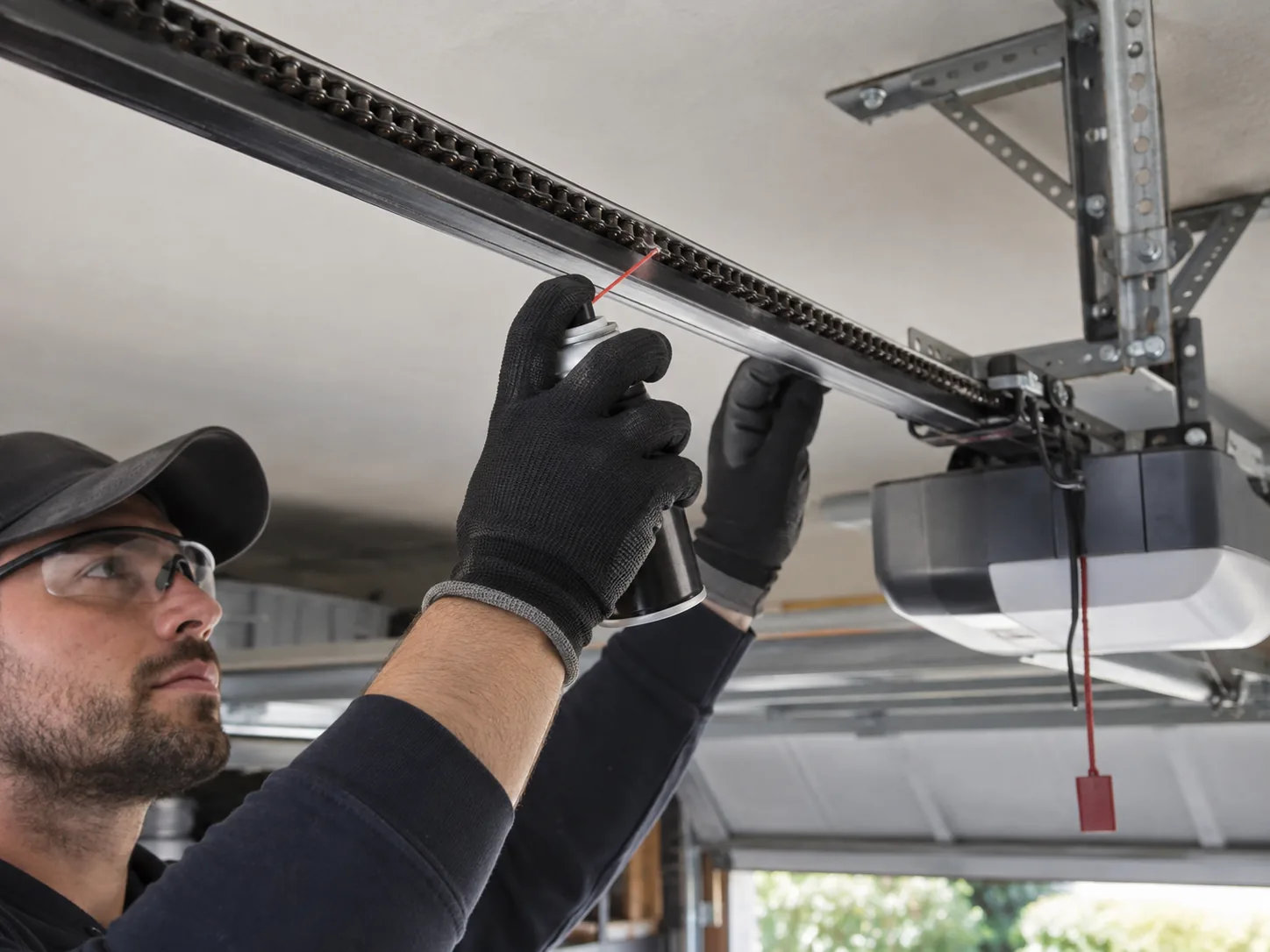
The cold-moderate climate band adds a second stress. Openers cycle through wider temperature swings than a mild coastal town would ever see, and that thermal cycling is hard on plastic gears, lubricant viscosity, and circuit board solder joints. A unit rated for a temperate garage in a different state doesn't hold up the same way here.

With roughly 8,775 households and 7,259 owner-occupied houses across this service area, and a median household income of $70,925, most owners are choosing between a mid-range belt-drive replacement and a basic chain-drive unit - we spec both, but we're honest that the cheaper option won't outlast the header it's bolted to if the header itself is original to the house.

Why This Fails Locally

On the truck

Stocked Parts

We carry the drive components that actually fail on the openers common to this area's housing stock: gear-and-sprocket kits, drive belts, chain tensioners, and circuit boards for the mid-range residential brands installed most often since the late 1980s.

Range and sync stock

Battery backup modules and updated receiver boards are stocked too, since range and sync issues are one of the more frequent calls we get. What we don't keep on the truck: openers for commercial-grade doors, and specialty units for oversized or custom doors outside standard residential sizing. Those get special-ordered, and depending on the manufacturer that can mean a wait.

Commercial unit exclusion

We tell customers this upfront rather than promising same-day on a part we don't have. We work across the wider service area, not just in town - Cornville, Munds Park, Lake Montezuma, Clarkdale, Kachina Village, and Mountainaire are all within our regular run, along with Chapel just a couple miles out.

Single-visit completion rate

Having common parts on hand means most installs and repairs finish in a single visit, without a second trip once the header and wiring have already been checked.

Questions

Common questions

Will a new opener work with my old garage door tracks and hardware?

Usually, but not automatically. On houses built in the 1985-1991 range common here, the header and rail mounts were sized for older, lighter openers. We check the header strength and door balance before installing, and reinforce or adjust mounting where needed rather than bolting a heavier unit onto framing that wasn't built for it.

Why does my opener struggle more in winter?

This area sits in a cold-moderate climate band, and openers with standard plastic gears and basic circuit boards are more prone to gear wear and board failure as temperatures swing through the season. Units matched to the door weight and rated for wider temperature ranges hold up noticeably better here than budget models.

Do you install openers outside Sedona itself?

Yes. Our regular service area includes Cornville, Munds Park, Lake Montezuma, Clarkdale, Kachina Village, Mountainaire, and Chapel, in addition to Sedona proper. Stocked parts and drive-time are the same considerations across all of those, so scheduling works the same way no matter which of these you're in.

Is a belt-drive opener worth the extra cost over chain-drive?

It depends on your door and budget. Belt-drives run quieter and put less strain on aging header hardware, which matters on the older housing stock common in this area. Chain-drives cost less upfront and work fine on a well-maintained door. We'll spec both options honestly rather than pushing the pricier one by default.

Ready when you are

Need a garage door sorted in Sedona?

Sedona Garage Door Pros repairs and installs garage doors, springs and openers in Sedona, AZ and the surrounding area.

CallGet a quote