Sensor alignment drift
Both usually point to the sensor pair near the floor rather than the motor itself - a beam that's shifted out of alignment, or a lens that's collected enough grime that the eye can't get a clean read.
Sedona, AZ
Opener repair for Sedona-area homes built mostly in the late 1980s, where original drive gears, circuit boards, and safety sensors are now past their working life.
The repair
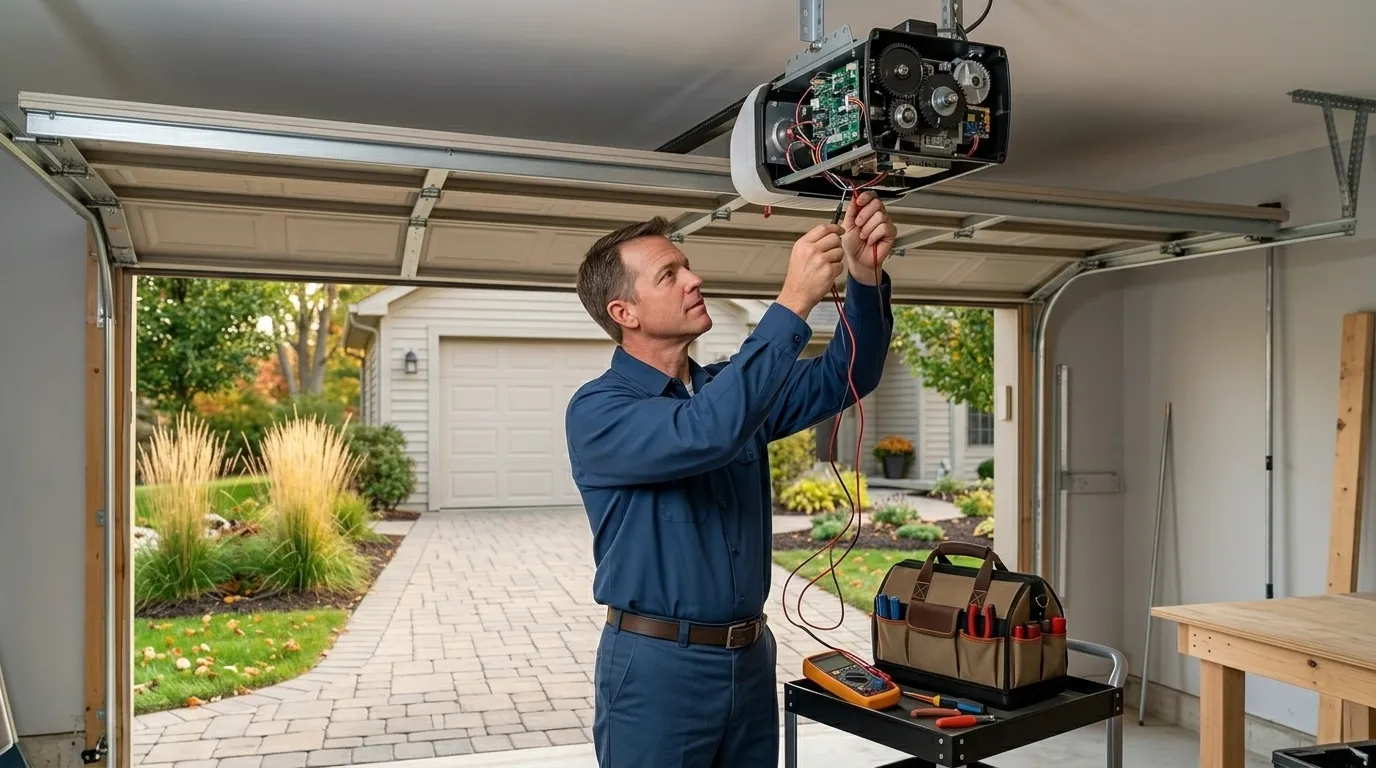
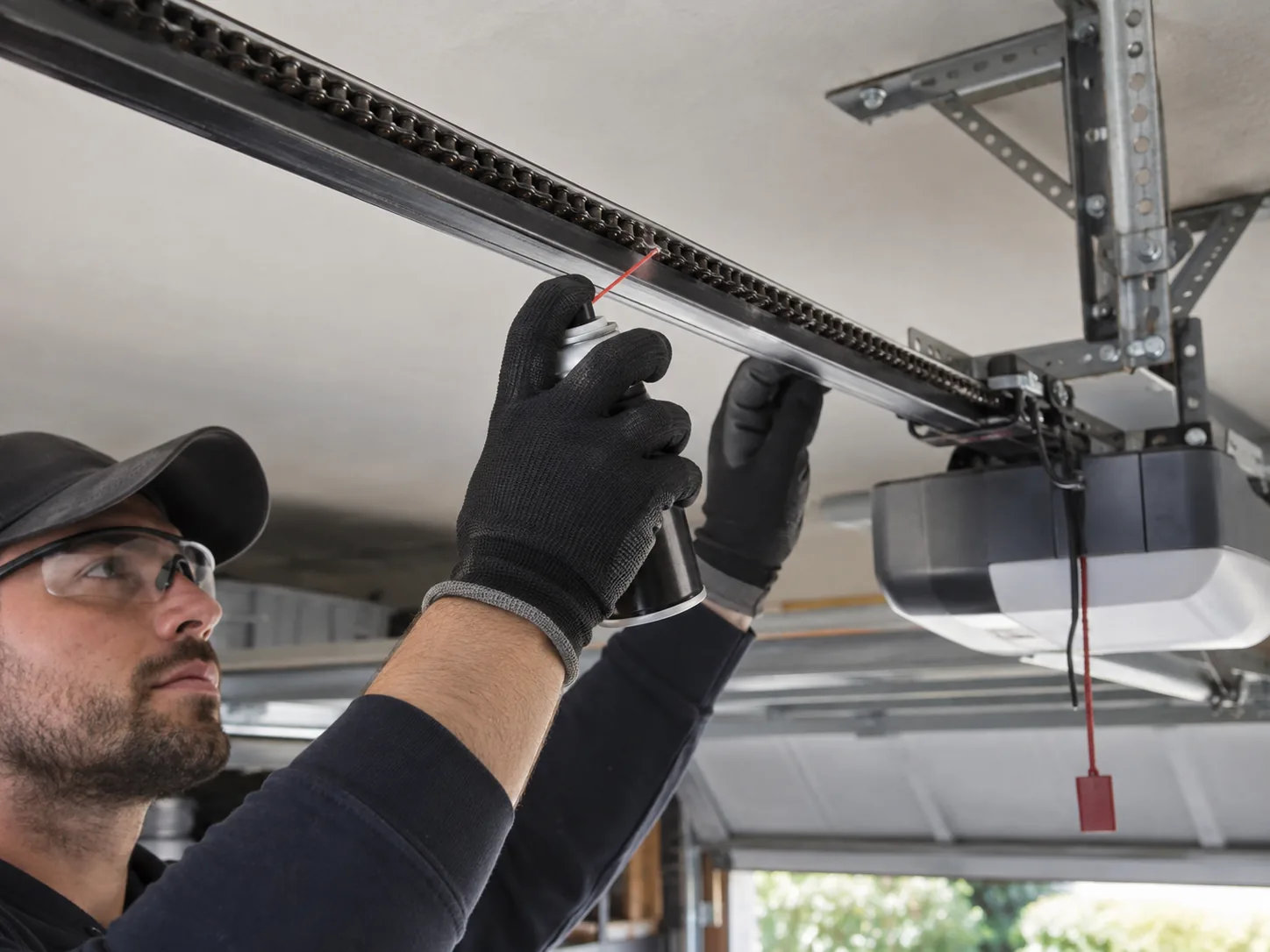
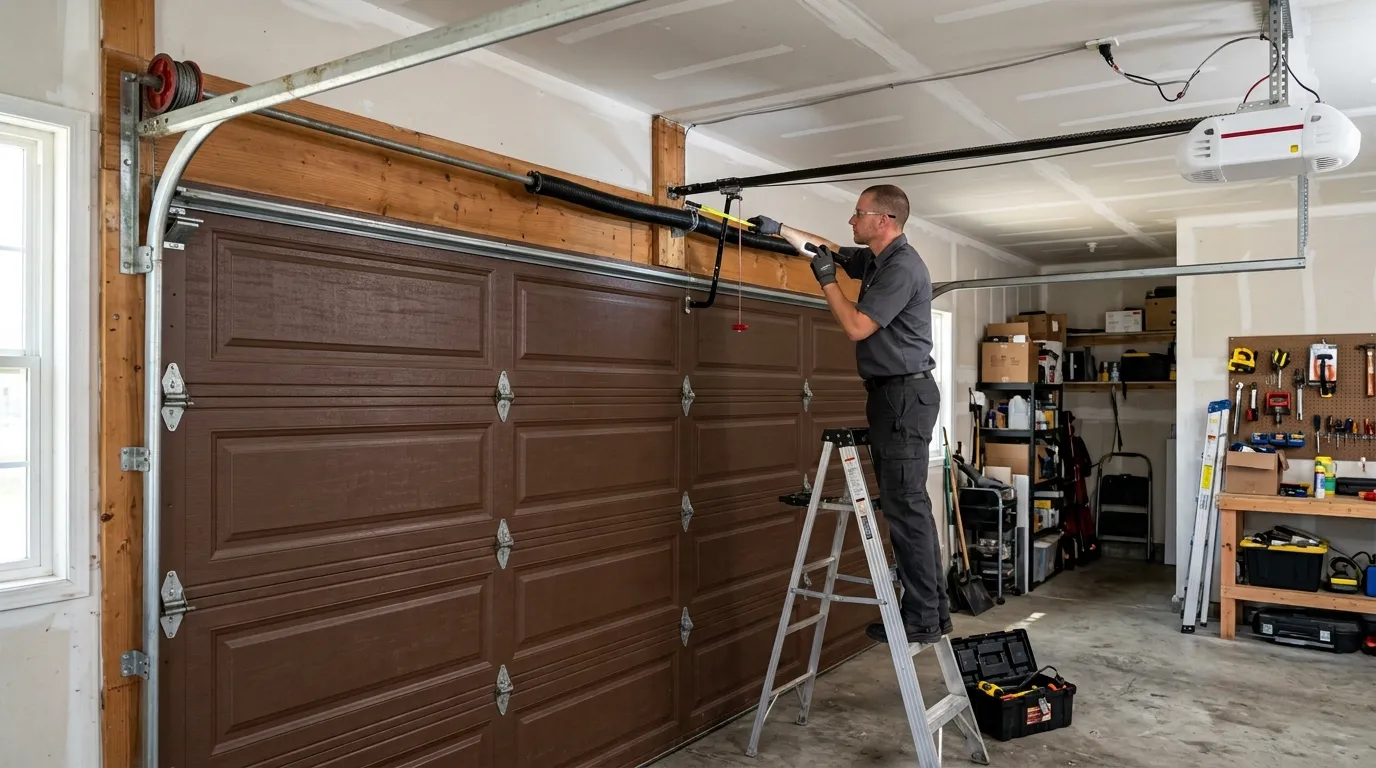
An opener call starts with figuring out whether the problem is the motor unit itself or something downstream of it - a misaligned sensor, a worn drive gear, a dead capacitor, or a logic board that's stopped talking to the wall button.
We test the travel limits, check the force settings, and run the safety reversal before we touch a wrench, because a door that reverses wrong or doesn't reverse at all isn't safe to leave running no matter how well the rest of the job goes.
Most of the units we open up across this service area are chain or belt drives installed when the house was built or shortly after. If the gear kit or capacitor is the failure, that's usually a same-visit fix.
If the logic board is fried or the motor windings have shorted, we're often looking at a full head replacement rather than a repair, and we'll tell you which one you're facing before we start charging for labor. We don't replace a working opener just because it's old - we replace the part that's actually failed.
Warning signs
The most common call is a door that responds to the wall button but not the remote, or a door that starts to open and then stops partway with a blinking light on the motor unit.
Both usually point to the sensor pair near the floor rather than the motor itself - a beam that's shifted out of alignment, or a lens that's collected enough grime that the eye can't get a clean read.
Second most common: a door that runs but grinds or strains partway through the cycle, which is a drive gear worn down to plastic dust inside the housing, or a capacitor that can't hold enough charge to finish the push.
Third: an opener that does nothing at all - no light, no hum, no click - which is either a dead board, a tripped breaker, or a burned-out motor. We hear all three from homes across the towns we cover, not just one street or subdivision.
Local causes
Most of the housing across this service area, and the six named communities within it, went up between 1985 and 1991. That means a large share of the openers we're called out to are either original to the house or on their second unit, and either way they're carrying drive gears, capacitors, and logic boards built to a design life that's now well behind them. A board that was fine in 1995 doesn't get a pass because the house looks well kept.
The climate band here is cold and moderate rather than hot and dry the way people picture Arizona - which means openers see real overnight temperature swings and condensation cycles inside the garage, not just sun bake. That's harder on circuit boards and capacitor life than steady heat would be, and it's why we see board failures here that a warmer, drier town wouldn't produce at the same rate. Across 8,775 households and roughly 7,259 owner-occupied houses in the area we serve, that adds up to a steady stream of the same few failure points, not a random mix.
On the truck
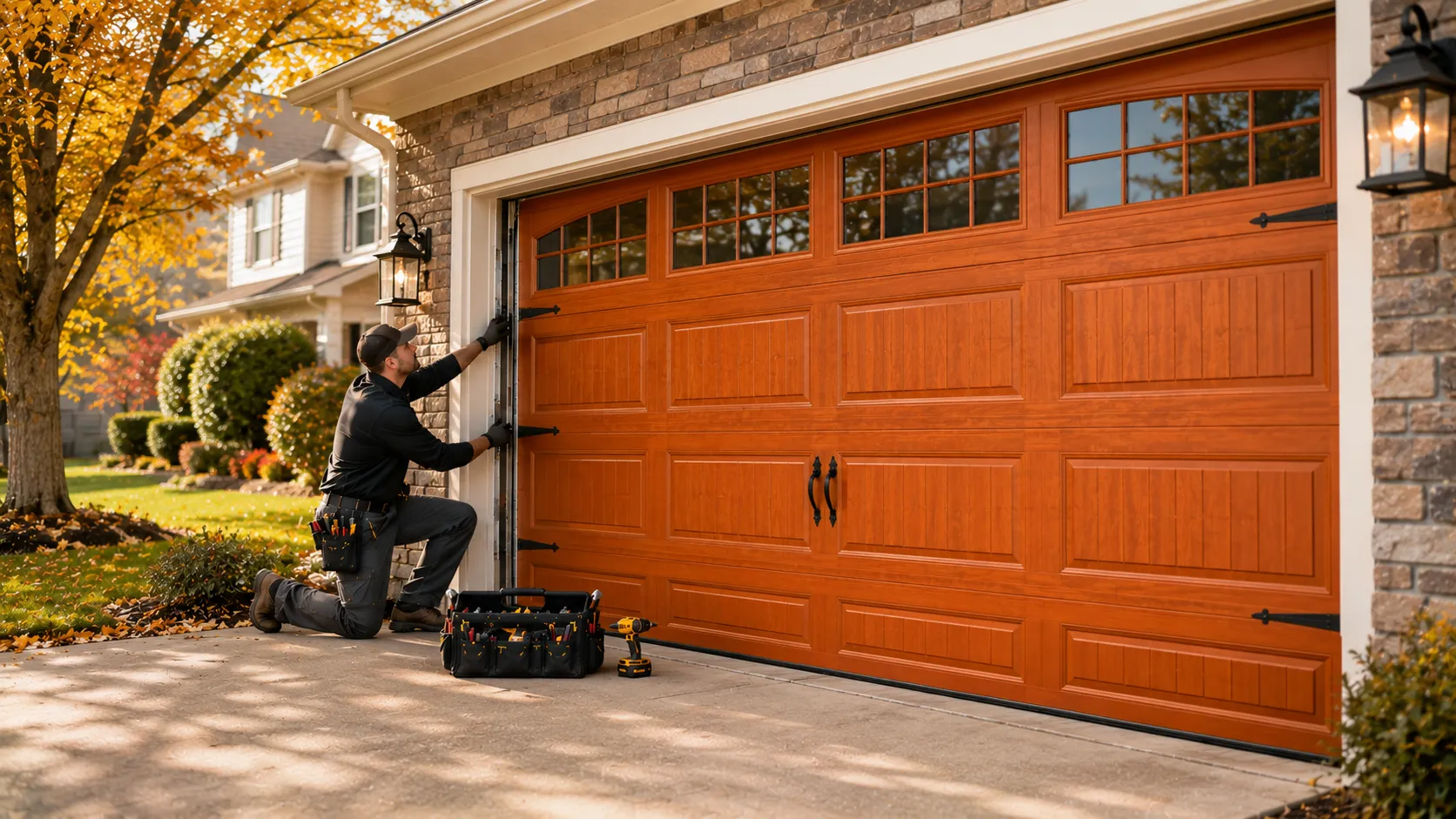
We carry the sensor pairs, drive gear kits, and capacitors that fail most often on the chain and belt units common to houses built in the 1985-1991 window, since that covers the bulk of what we're called out for.
Those go on the truck and get fixed the same visit, most of the time. What we don't stock is every logic board for every opener brand and model year going back three decades - some of those are special-order parts with a lead time we don't control, and we'll tell you that up front rather than promise a same-day fix we can't deliver.
With a median household income of $70,925 across the service area, we try to give you the repair-versus-replace numbers plainly so you can decide whether ordering the board or replacing the head unit makes more sense for your situation.
We run these same parts out to Cornville, Munds Park, Lake Montezuma, Clarkdale, Kachina Village, and Mountainaire, all within 10 to 18 miles, plus Chapel just two miles southeast, so the stock on the truck isn't built around one neighborhood's habits - it's built around what actually fails across the whole area.
Questions
That split points to the remote's signal or battery rather than the motor itself, though it can also be a logic board issue on older units. We check the remote first since it's the cheaper fix, then move to the board if the remote checks out fine.
Depends on what failed. A gear kit or capacitor is a cheap fix worth doing on an old unit. A fried logic board on a unit that old often costs close to a new head anyway, so we'll walk you through both numbers before you decide.
We carry the sensors, gear kits, and capacitors that fail most often on the units common to this area. Some older or less common logic boards are special order, and we'll tell you honestly if your part falls into that category before we quote a timeline.
Yes. This area sits in a cold, moderate climate band with real overnight temperature swings, and the condensation cycle inside an uninsulated garage is harder on circuit boards and capacitors than steady heat would be.
Explore more
Ready when you are
Sedona Garage Door Pros repairs and installs garage doors, springs and openers in Sedona, AZ and the surrounding area.