
Guide
What Your Sedona Garage Door Is Actually Dealing With
Most Sedona garage doors date to the 1985-1991 building boom. Here's what that means for springs, seals, and openers as the cold season moves through.
Local detail
What Local Conditions Do
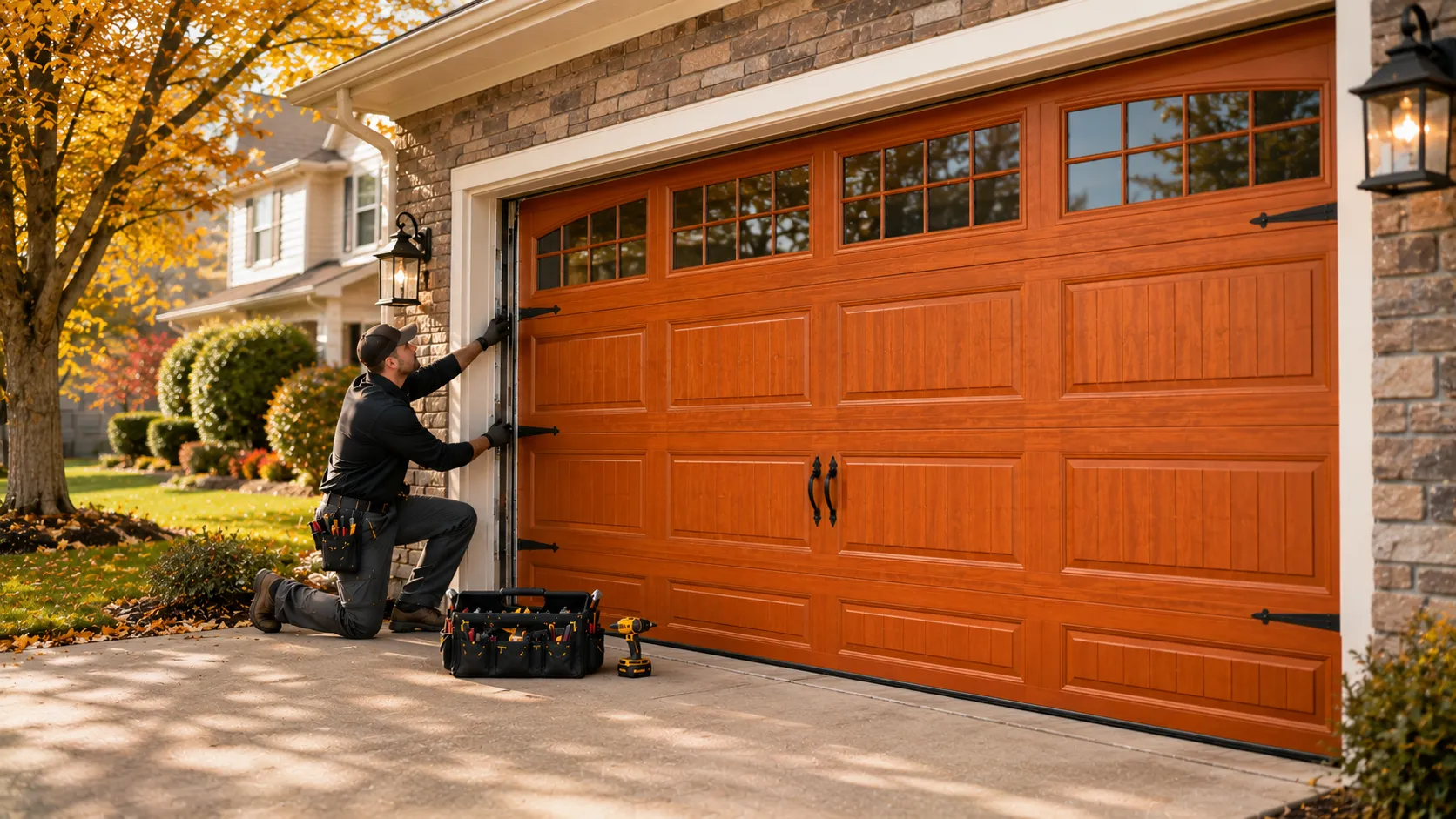
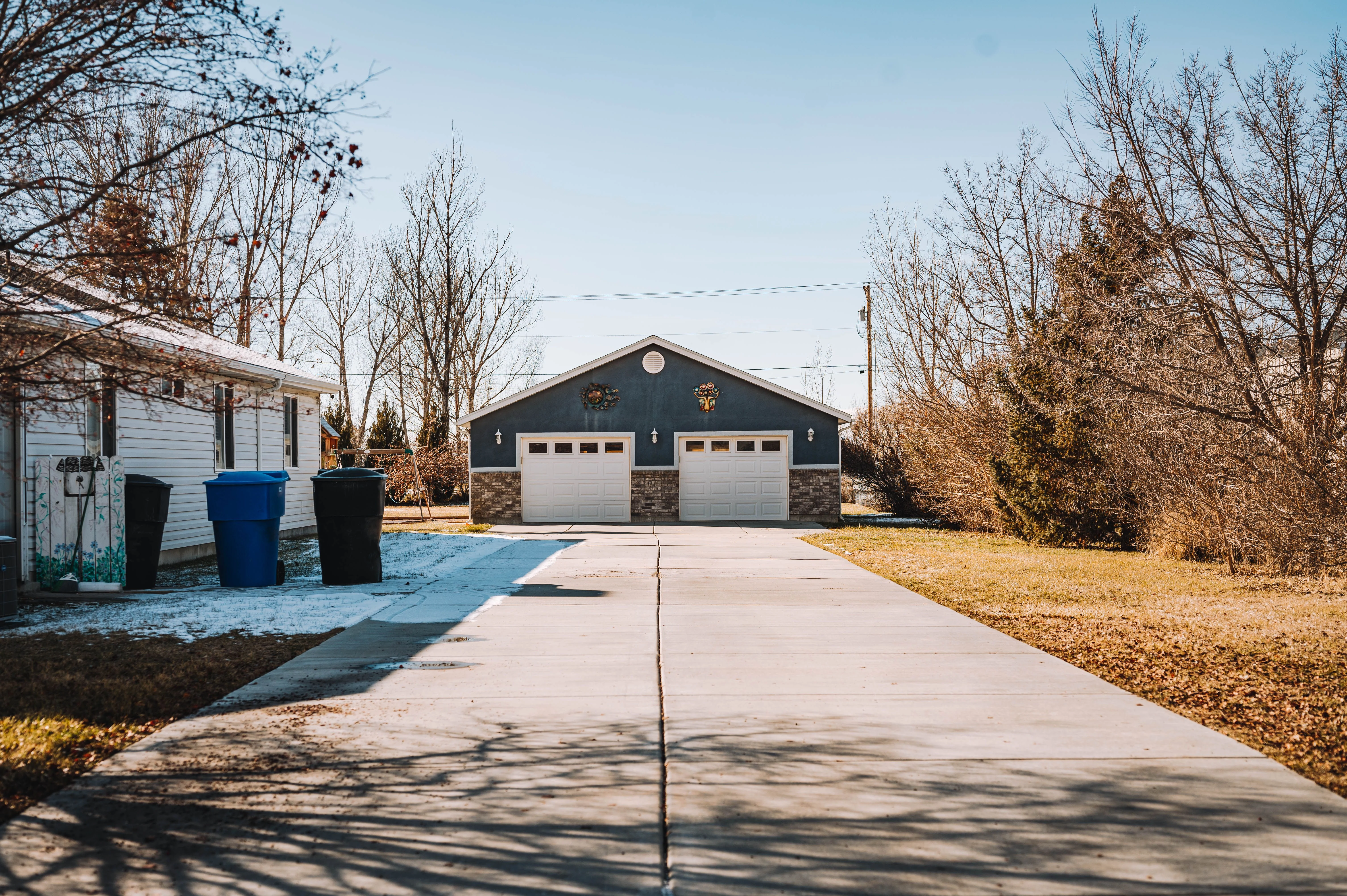
Most of the houses we get called to here went up between 1985 and 1991, with the median right around 1987. That's the tail end of a building push that touched six areas around town, and it means a lot of doors on the same era of hardware: steel sectional panels, extension or torsion springs rated for a build that's now pushing forty years old, and openers that have usually been swapped once already. The climate here runs cold-moderate, not the deep-freeze cycling you'd get further north, but enough seasonal temperature swing to work on steel and rubber every year.
That combination - older hardware, moderate but real cold - is what shows up in service calls: springs that have done their cycle count, weatherseals that have hardened and cracked at the bottom corners, and rollers that were fine in July and start binding once nights get cold. None of this is dramatic. It's just what happens to a door built in the late 1980s that's spent thirty-plus winters here.
The area
Checking It Yourself
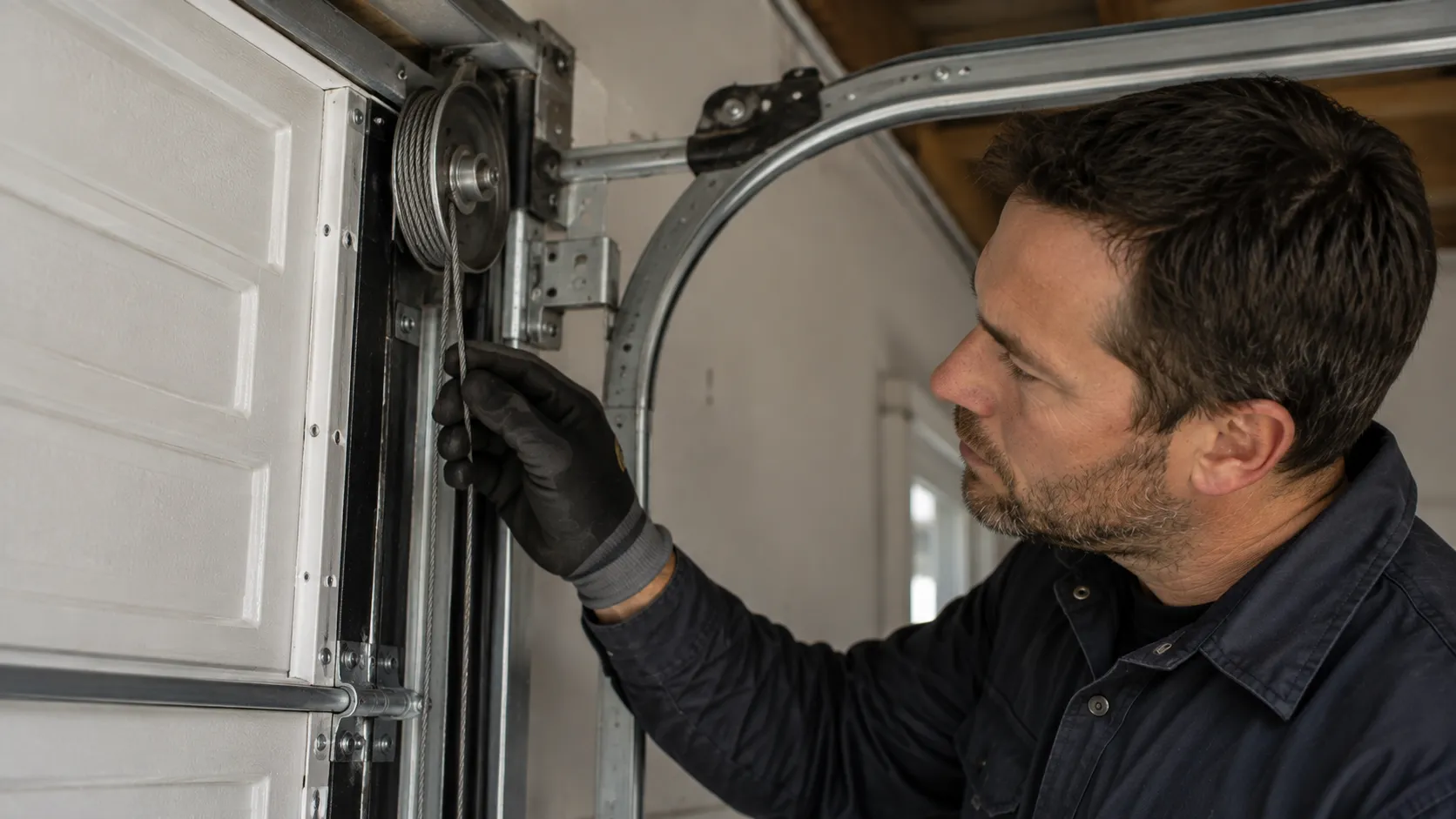
Start with the spring. If your house is in that 1985-1991 range, the torsion spring above the door has likely never been replaced, or was replaced once a long time ago - look for a gap in the coils, or rust concentrated at one spot rather than spread evenly, which usually means it's near the end. Next, the bottom seal: press a thumb into it. If it's stiff instead of springy, it's hardened from years of temperature cycling and isn't sealing the gap the way it did when it was new.
Check the rollers by watching the door move - steady and quiet is good, a jerk or a knock at the same spot every time means a roller or track section that's worn unevenly. None of this requires tools, just five minutes and a flashlight. What you're looking for is wear that matches the age of the house, not damage - on a door this old, wear is the normal state, and catching it before a spring lets go is the whole point.
What we find
The Situation
The service area sits around 8,775 households, with 7,259 of those owner-occupied houses, and a median household income of $70,925. That matters less for the door itself than for what it means about the calls we get: mostly owners maintaining a house they've lived in a while, not landlords cycling through units, and mostly repair-or-replace decisions made carefully rather than on a whim.
Nearby, Cornville sits about 10 miles out, Munds Park 11, Lake Montezuma 15, Clarkdale 17, Kachina Village 17, and Mountainaire 18, with Chapel just 2 miles SSE - a spread of small communities rather than one dense grid, which is part of why the housing stock reads so consistently as 1980s-90s across the named areas rather than a mix of eras. One honest limitation: if a spring or panel needs an exact factory match for a door from that era, the part isn't always sitting on the truck, and we may need a day or two to source it rather than force a mismatched fix.
How we work
What Changes With the Season
As the cold-moderate season sets in, steel contracts a little and lubricant that was fine in warm months gets stiffer, which is when a marginal roller or a spring that's already lost some temper tends to finally act up. It's not a hard freeze scenario, but it's enough of a swing that we see a real bump in spring failures and hard-starting openers once nights turn cold.
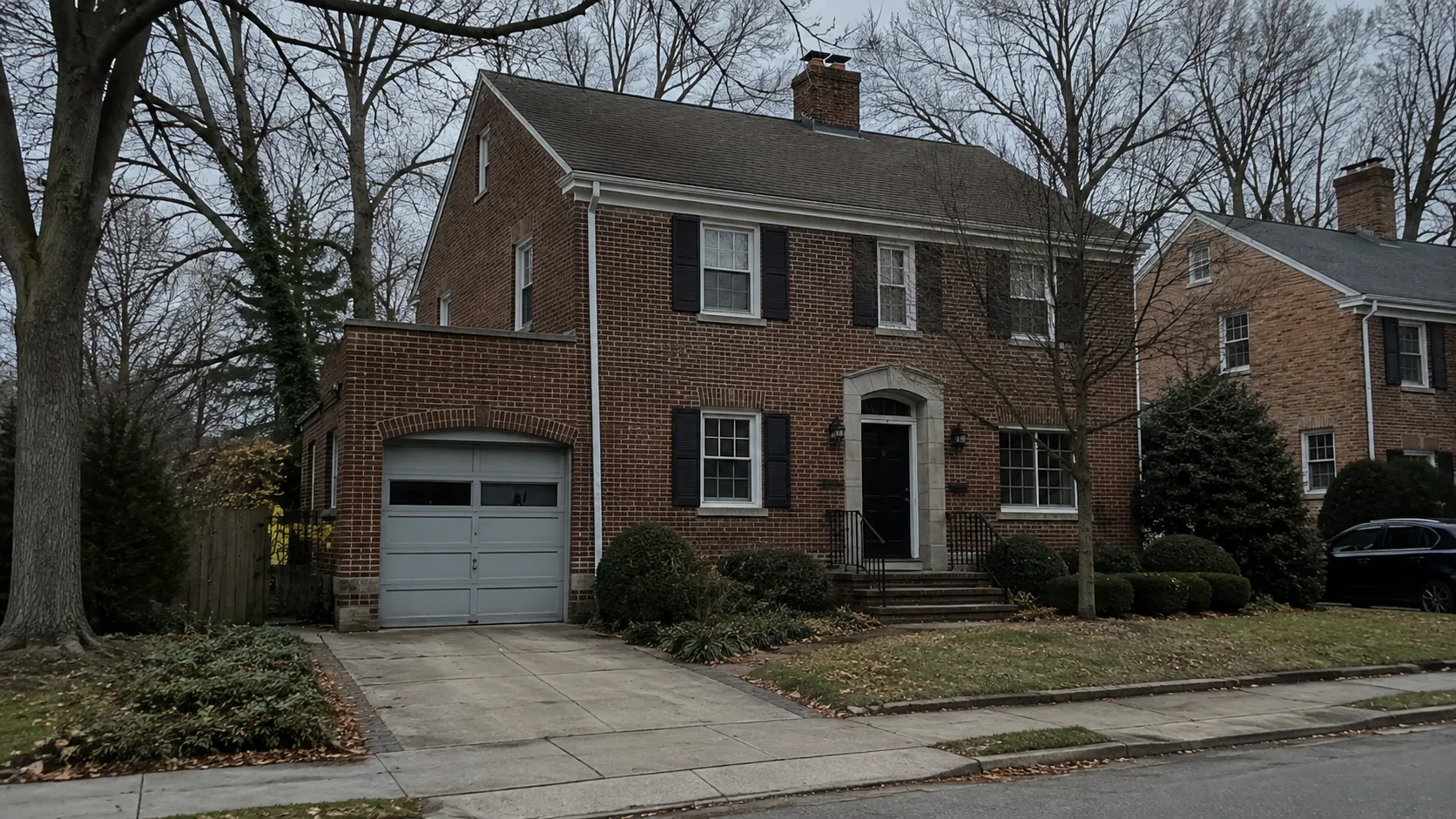
For a door built in that 1985-1991 window, this is usually the point where the original hardware, already decades past its rated cycle count in many cases, finally gives out. If your door has been fighting you more in the last month than it did over summer, that's not a coincidence - it's the same seasonal shift showing up on hardware that was already close to due.
Questions
Common questions
Why do so many Sedona garage doors seem to fail around the same age?
Because so much of the housing here was built in the same window, 1985 to 1991. Doors and springs installed then are all reaching the end of their service life around the same years, which is why failures cluster rather than spreading evenly across the calendar.
Does the cold here actually affect garage doors?
The climate is cold-moderate rather than severe, but the seasonal swing still stiffens weatherseals and lubricant and adds strain to springs that are already older. It's not extreme cold causing damage - it's ordinary seasonal cycling meeting hardware that's already decades old.
Is it worth repairing a door from a house built in the late 1980s?
Often yes - a spring or roller swap on an otherwise sound 1980s-era door is usually cheaper than replacement. But if the panels themselves are dented or the track is bent, repair can end up costing close to what a new door would, so it's worth getting both priced before deciding.
Ready when you are
Need a garage door sorted in Sedona?
Sedona Garage Door Pros repairs and installs garage doors, springs and openers in Sedona, AZ and the surrounding area.