
Sedona, AZ
Garage Door Repair, Sedona AZ
Sedona Garage Door Pros repairs torsion springs and openers worn by 1980s-90s construction and Sedona's cold-moderate temperature swings. Local service.
What we do
Garage door work in Sedona
Installing a Door That Actually Fits a Sedona House
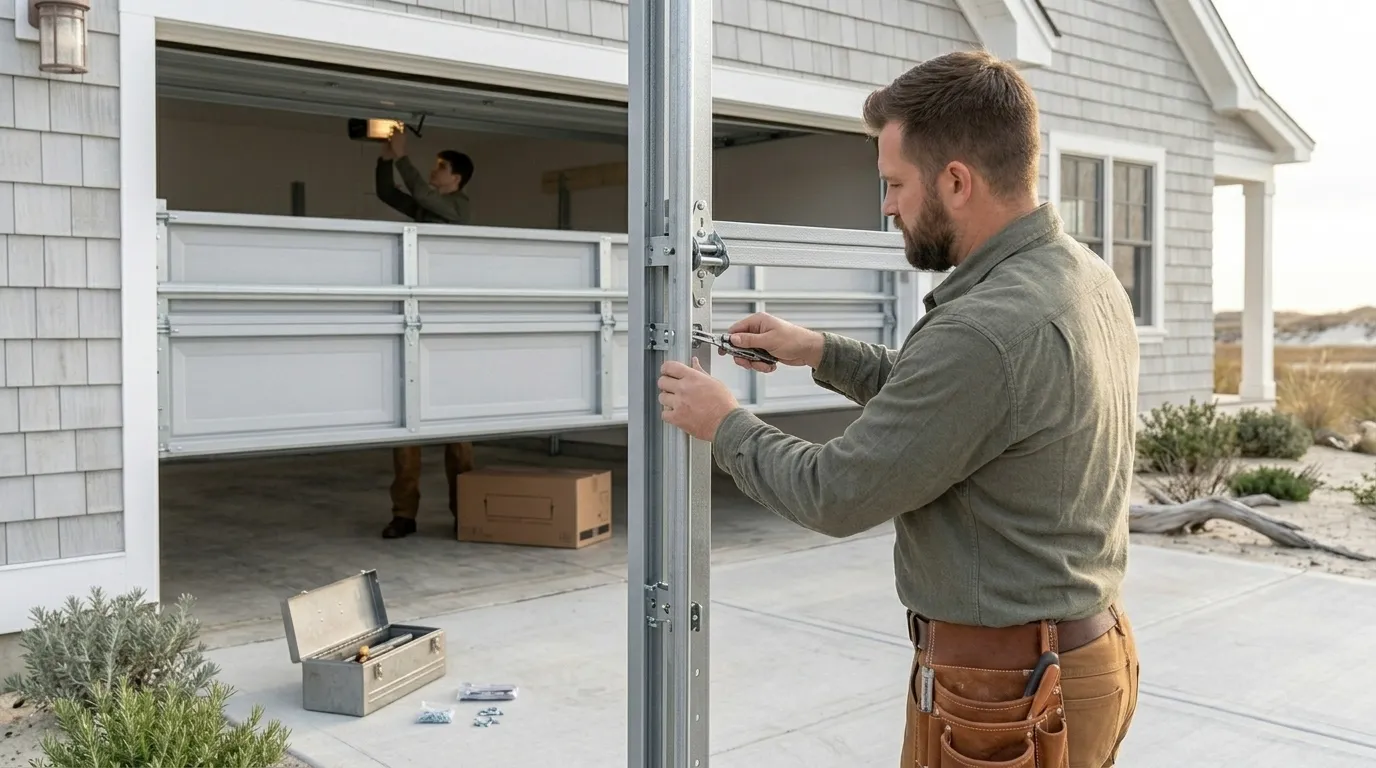
Sedona Garage Door Pros fits new doors to the rough openings and hardware common in Sedona's 1985-1991 housing stock, built for the area's cold-moderate swings. Learn more →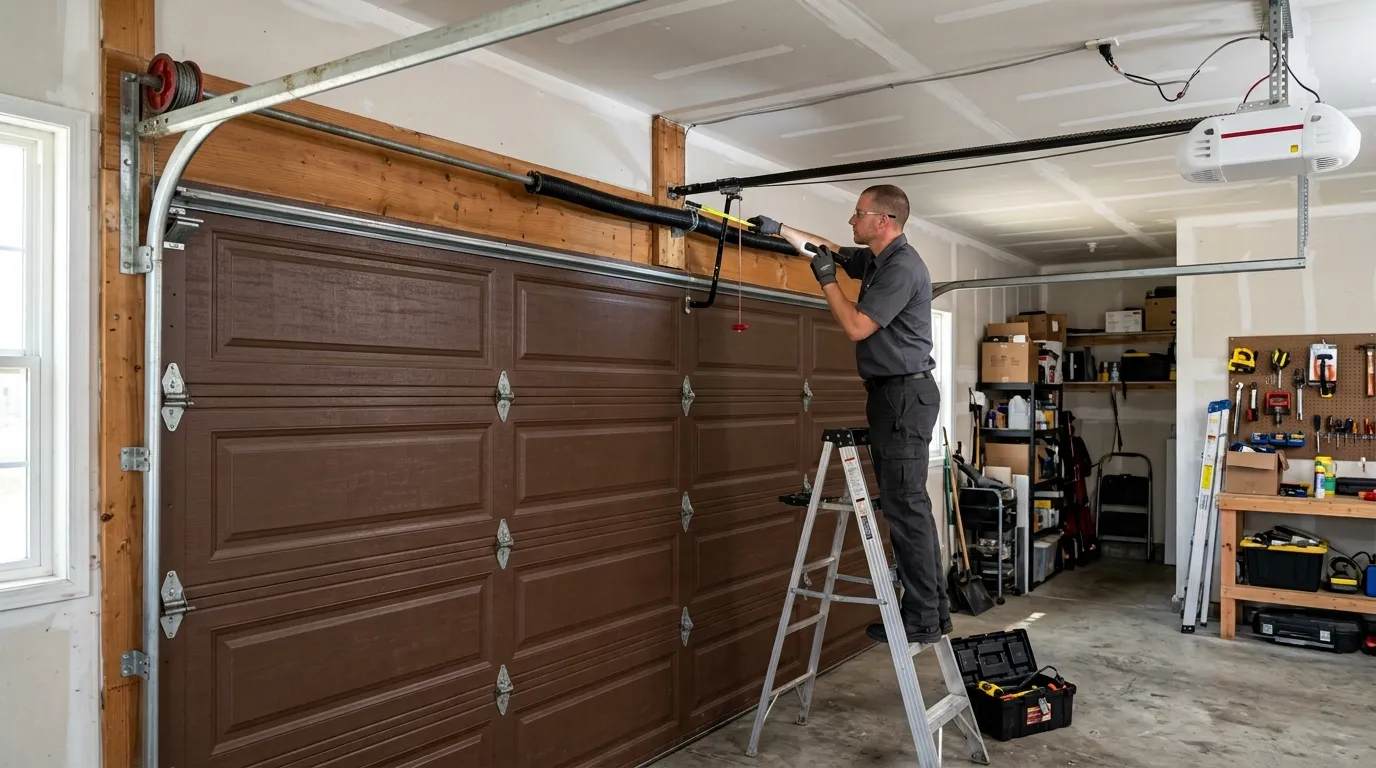
Garage Door Repair Built Around Sedona's Housing Stock
Garage door repair for Sedona's 1985-1991 housing stock: torsion springs, openers, and rollers worn by cold-moderate swings. Learn more →Local detail
What the Repair Takes
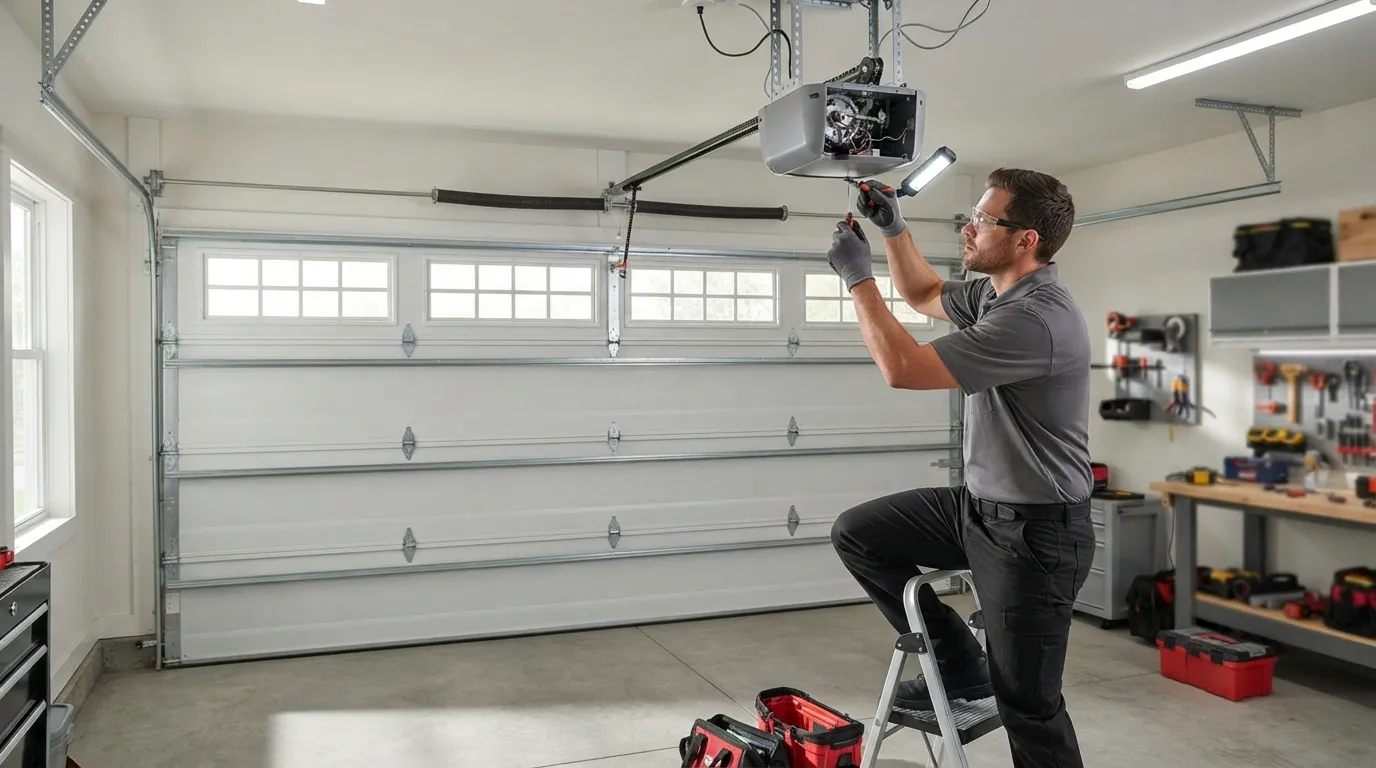
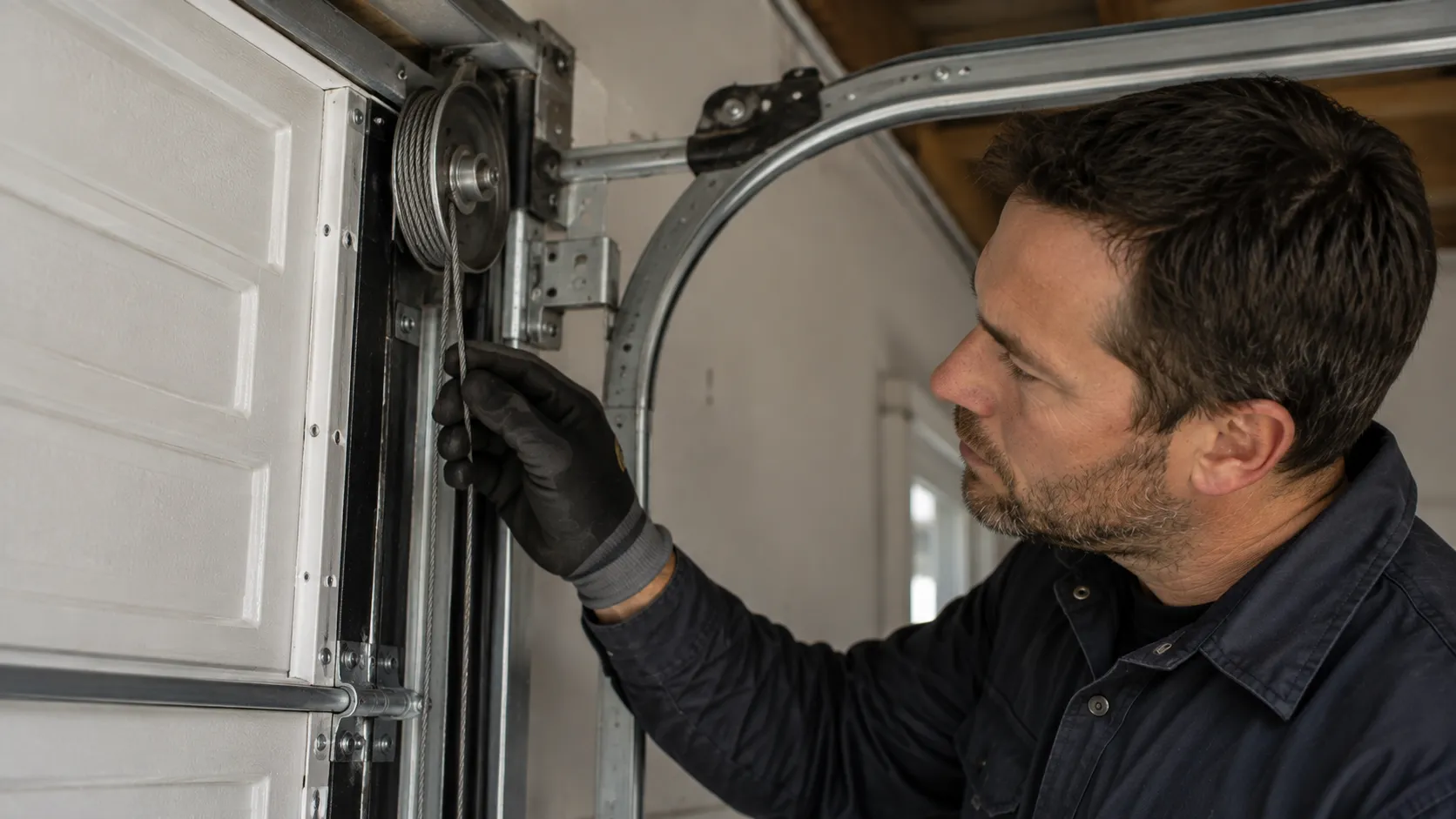
A garage door repair call in Sedona usually starts the same way: we open the panel, check the spring wind, and look at how the cables sit on the drums. Most of the work is torsion spring replacement, cable swap, or roller and hinge service on doors that have been running the same hardware since the house was built. If the opener is the complaint, we check the logic board, the travel limits, and whether the drive gear has stripped, which is common once a chain or belt has run fifteen-plus years without adjustment.
We don't guess at parts before we see the door. A job that looks like a spring problem is sometimes a bent track from the door being forced closed on a jammed roller, and that changes what we bring off the truck. Most repairs run one visit.
If a panel is dented past straightening or the track is bent along its full length rather than just the bottom section, we'll say so and talk about replacement instead of stacking new parts onto old damage. That's not upselling - a repair that outlives the door underneath it doesn't do anyone any good.
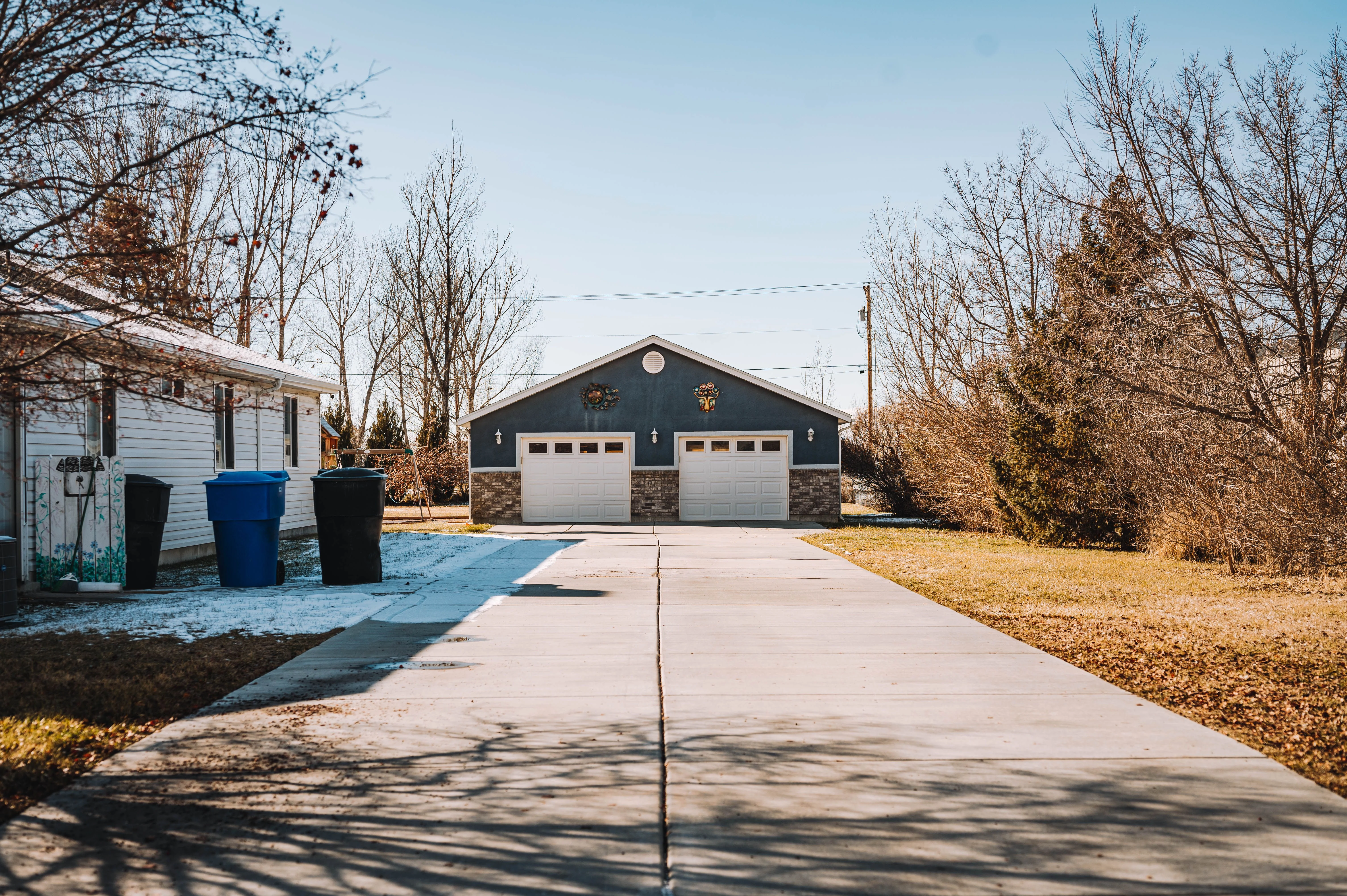
The area
How It Shows Up
The most common call is a door that won't budge and a loud bang from the garage before it happened - that's a torsion spring letting go, usually while the door is down and under full tension. Second most common: the door reverses partway up or down, or one side lags the other, which points to a cable off the drum or a roller that's finally worn through. A slow, jerky travel on an opener that used to run smooth usually means the drive gear or the capacitor on the motor is going.
Some owners notice the door feels heavier by hand than it used to, months before anything actually breaks - that's a spring losing tension gradually rather than snapping outright, and it's the easiest version of this call to catch before it turns into an emergency one. Doors that sit unused for stretches, common with detached garages, tend to seize on rollers and hinges that dried out rather than wore out, which shows up as grinding or resistance on the first pull of the season.
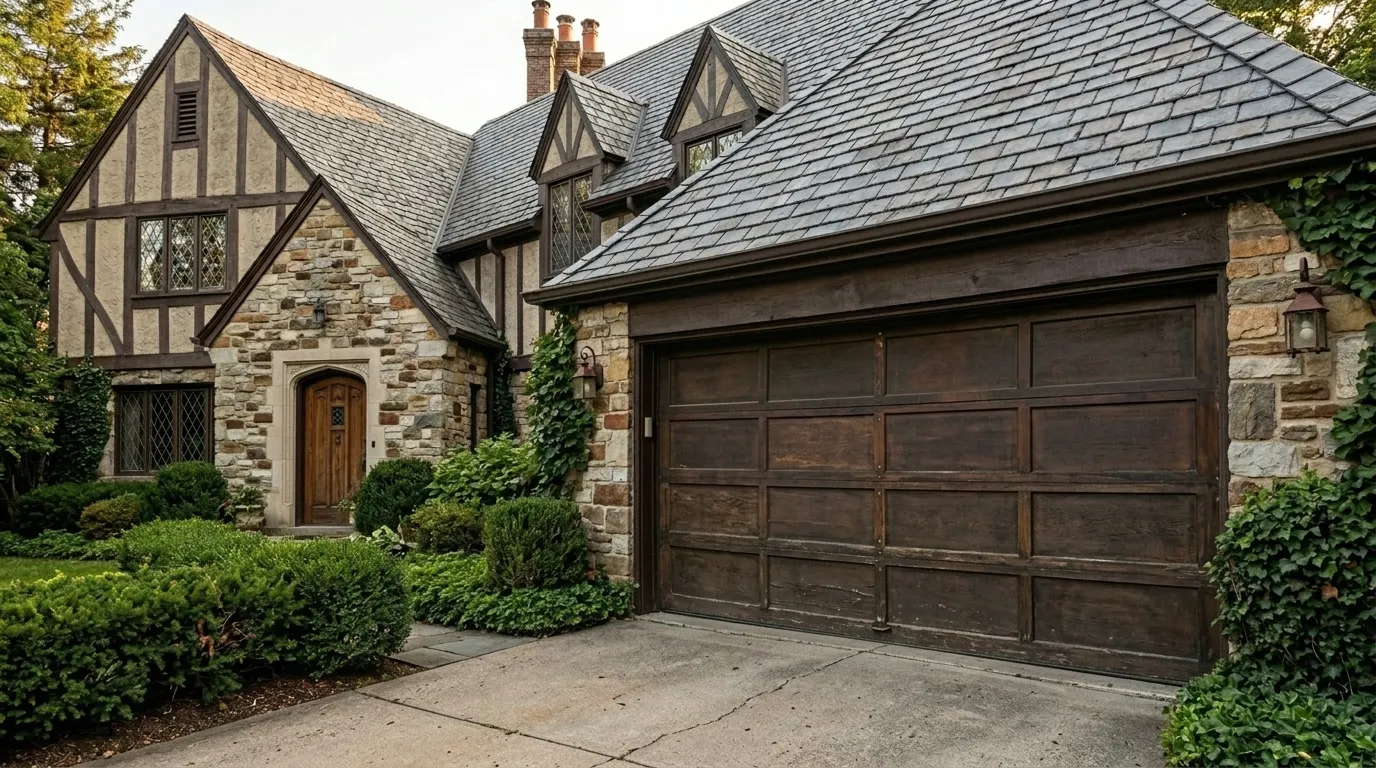
What we find
Why This Fails Locally
Most of the housing we work on in the Sedona area went up between 1985 and 1991, with the bulk of stock across six named areas dating to that same 1980s-90s window. That means a lot of doors out there are running the torsion springs and openers they shipped with - thirty-plus years of wind and unwind cycles on hardware that was never meant to run that long. Sedona sits in a cold-moderate climate band, and that matters more than people expect: steel spring wire fatigues faster under repeated temperature swings than it does in a flat, mild climate, because the metal expands and contracts with every cold morning and warm afternoon.
Add in original torsion hardware that was side-mounted rather than the center-mount setups more common in newer builds, and you get a failure pattern that's specific to houses of this era, not a generic garage door problem. A door built in 2015 in the same town isn't hitting this wall yet. A door built in 1988 usually is.
How we work
Stocked Parts
We keep torsion springs, extension springs, cables, rollers, and standard opener parts in stock sized for the 1980s-90s construction that makes up most of the housing here, since that's what we're pulling off the truck on most calls across the roughly 7,259 owner-occupied houses in the service area. Where we run into trouble is discontinued opener logic boards on models from that era - some of those parts have gone out of production, and if yours has, we'll tell you that up front rather than stringing out a repair on a board we can't source.
In those cases replacement is usually the faster and cheaper path anyway. We run calls out to Cornville, Munds Park, Lake Montezuma, Clarkdale, Kachina Village, and Mountainaire, and as close in as Chapel, so the truck is stocked for the mix of homes across that whole radius, not just what's common on one street.
Questions
Common questions
How old does a garage door spring usually get before it breaks in Sedona?
Most of what we see is on doors from the 1985-1991 construction wave, which puts original springs at thirty-plus years old. Spring life is measured in cycles, not years, but on top of that, the temperature swings in our climate band add extra fatigue to the wire. By the time a homeowner calls, the spring is usually well past its expected run.
Can I replace just one torsion spring if I have two?
You can, but we usually recommend replacing both when one goes, especially on doors from the 1980s-90s stock common here. The second spring is close behind in age and cycle count, and a mismatched pair puts uneven strain on the opener and the door as it travels.
Do you stock parts for older openers?
We carry common opener parts for the era most local houses were built in, but a few discontinued logic boards from that period are out of production. If your unit needs one of those, we'll tell you before starting work - sometimes replacement is the faster fix.
Ready when you are
Need a garage door sorted in Sedona?
Sedona Garage Door Pros repairs and installs garage doors, springs and openers in Sedona, AZ and the surrounding area.