
Special-order board limitations
Openers from that era are a mixed bag though, and if yours is an original unit from the mid-80s, the exact drive gear or logic board isn't something we carry on the truck.
Munds Park, Sedona
Munds Park runs about 455 households on mostly 1985-era garage doors built for cold country. Here's what regular maintenance actually needs to cover out here.
Local causes
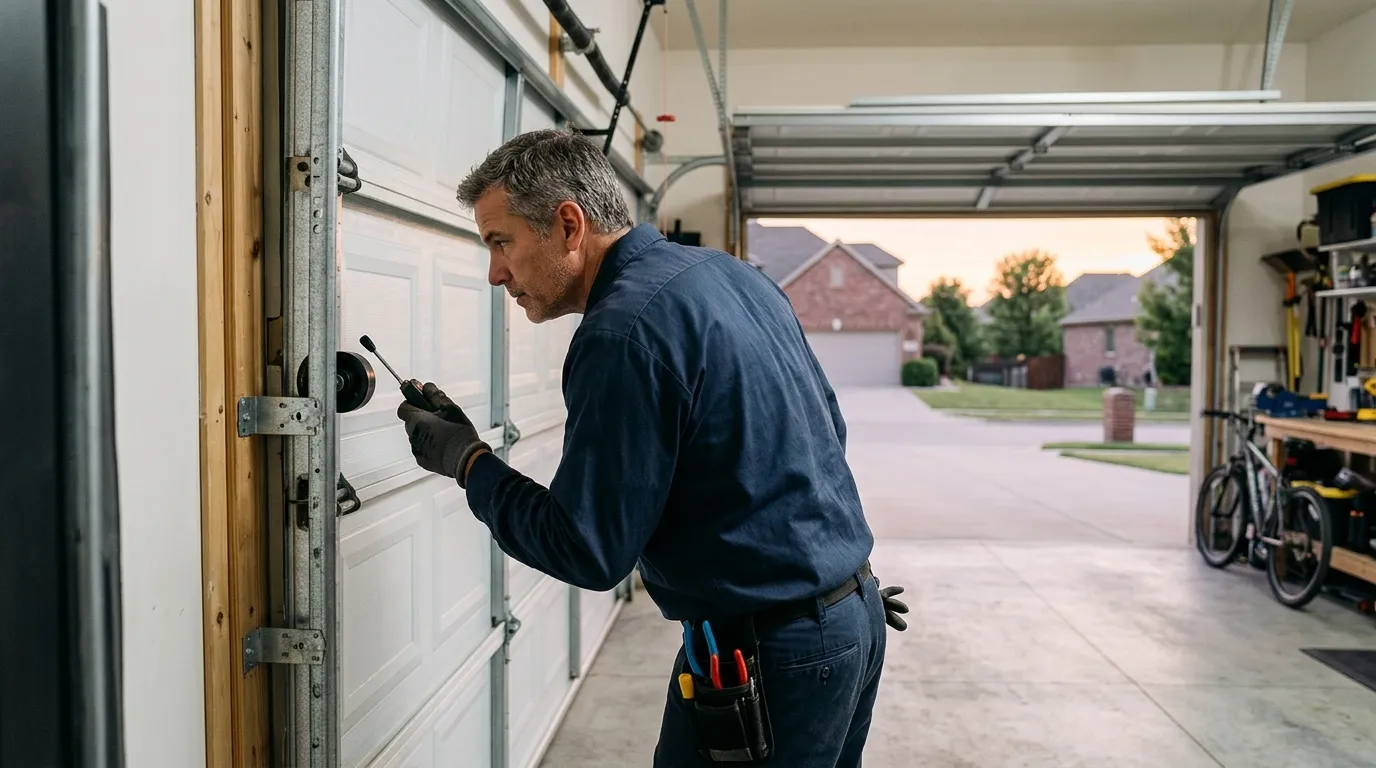
Munds Park is a small place, roughly 455 households, and that matters for how maintenance calls play out. In a town this size, word gets around fast about which doors are giving people trouble, and it's usually the same handful of issues repeating across a small housing stock rather than a wide mix of problems.
Most of the doors here went up around 1985, right at the front edge of the broader 1985-1991 build wave across this part of the service area. That means original torsion springs and openers that are pushing forty years old in a lot of these garages, paired with hardware sized for the standard steel doors of that era rather than anything custom.
The fault we see most in houses this age isn't a broken panel, it's fatigue. Springs wound to a 1985 door's weight, cycled for decades, without anyone ever backing off the tension or checking the cable drums. Maintenance at this point isn't about newness, it's about catching wear on parts nobody's touched since Reagan was in office.
The repair
We come out from Sedona, 11 miles down, so a maintenance visit here is scheduled, not a walk-in. There's no branch or drop-in counter in Munds Park itself, and we won't pretend there is.
Bring us the make and rough age of the opener if you know it, and whether the door is single or double, and we can usually get most of what's needed loaded on the truck before we leave.
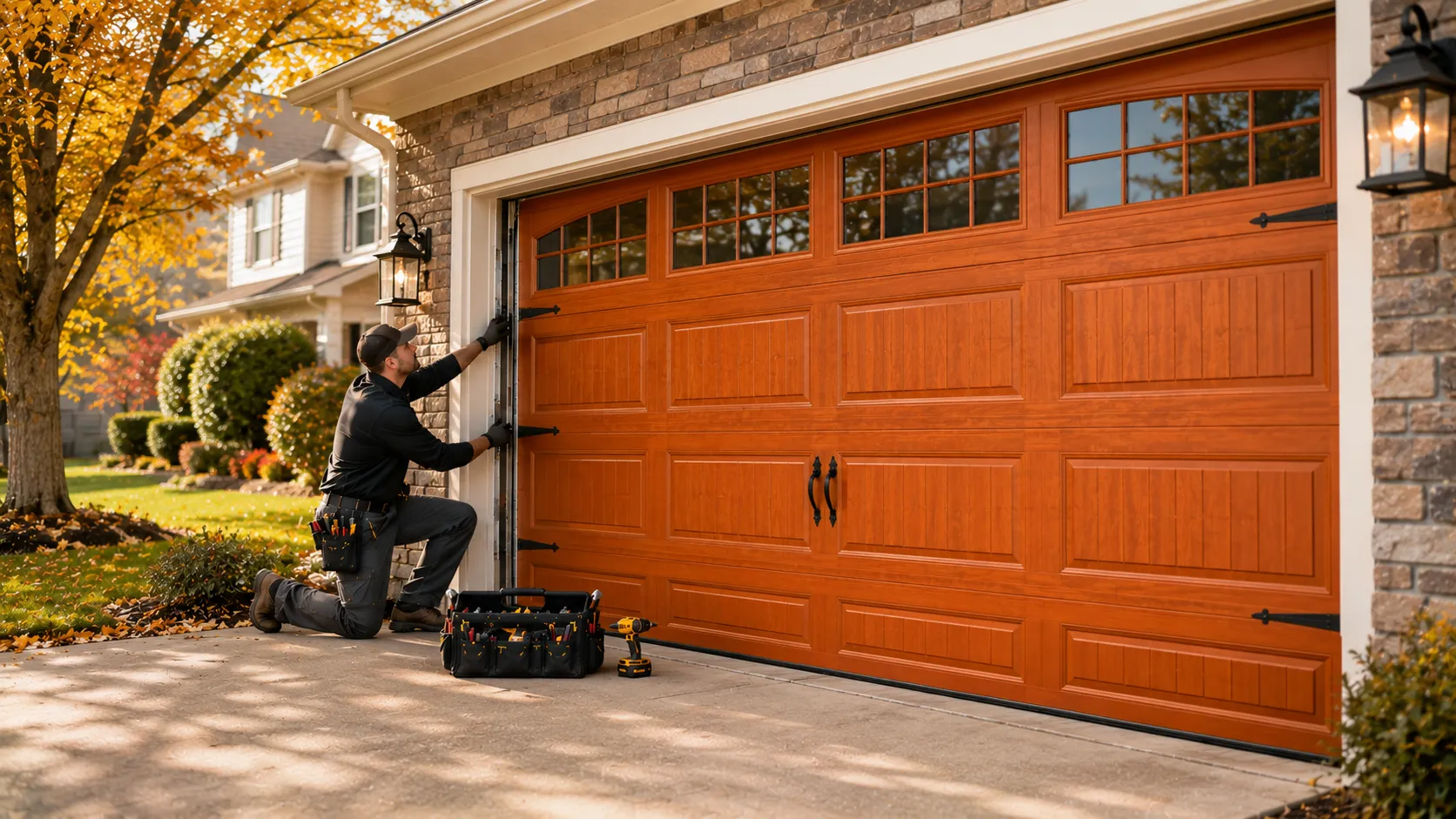
A standard maintenance pass on a door this age runs through spring tension, cable and drum wear, track alignment, roller condition, and opener force settings. On a 1985-built door that's never had this done, we're often finding the tension off by more than it should be just from decades of temperature swings stretching and settling the springs.
One honest limit: if the drums or the shaft are worn past a certain point, tightening things up on a maintenance visit doesn't fix it. At that stage we tell you it's a repair job, not a tune-up, rather than charge you for a service that won't hold.
On the truck
We keep rollers, cables, and torsion springs sized for the standard steel doors common to the 1980s-90s stock across this area, since that's what most of these garages are running.
Openers from that era are a mixed bag though, and if yours is an original unit from the mid-80s, the exact drive gear or logic board isn't something we carry on the truck.
That's a call-ahead part, not a same-visit one, and we'll tell you that up front rather than have you wait around for a fix that isn't coming that day. What we don't stock is anything custom-width or oversized.
Munds Park's housing is fairly consistent, standard door widths on standard tracks, so most maintenance visits don't run into anything exotic. When they do, it's usually a homeowner who's had a non-standard door installed at some point, and that's the exception, not the rule out here.
Warning signs
This is cold country, moderate-cold climate band, and that shows up in specific ways on a door this age. Grease that was fine in October turns stiff by January, and a torsion spring that's already fatigued from forty years of use has less give to work against that stiffness.
The result is an opener straining on cold mornings, or a door that closes unevenly because one side is dragging more than the other. Rollers are the other tell.
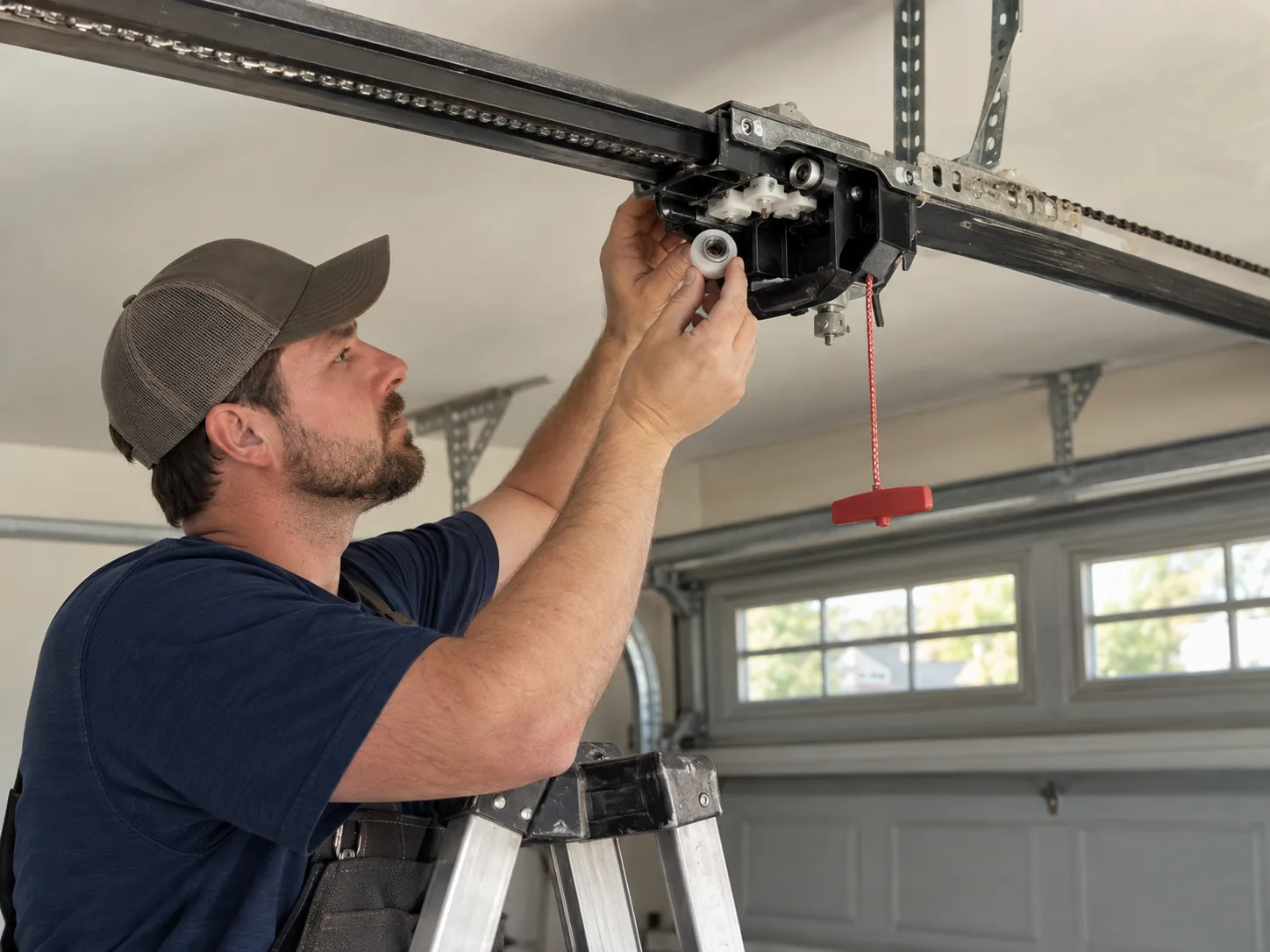
Nylon rollers that have gone brittle with age and cold don't fail quietly, they crack, and you'll hear a distinct pop or grind on the way up or down well before they let go entirely.
Cable fraying is slower and quieter, usually just a few visible strands near the bottom bracket, but it's the one most worth catching on a maintenance visit rather than after it snaps.
Booking
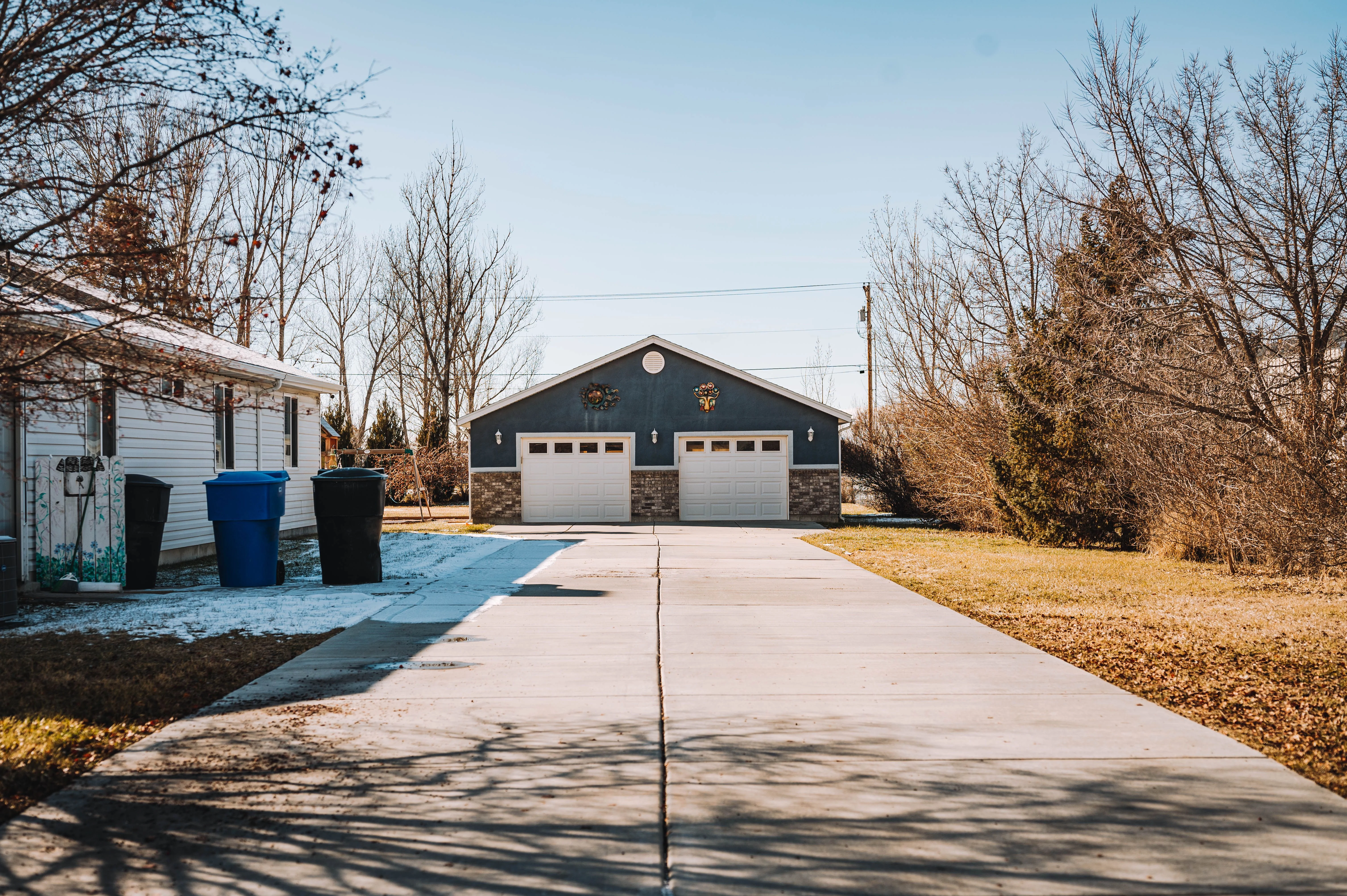
Since we're traveling in from Sedona for every visit here, it helps to have a rough sense of what's going on before you call: how old the door and opener are if you know it, whether it's sticking, grinding, or just slow, and which side if it's uneven. That lets us bring the right parts rather than making a second trip.
Maintenance on a door this age is worth doing on a schedule rather than waiting for a failure, especially given how many of these openers and springs are original to a 1985 build. Catching a fatigued spring on a maintenance visit is a different job, and a different cost, than replacing it after it snaps under tension.
You can see what we cover across the wider area on the Munds Park service page, and the full rundown of maintenance work itself is on the Sedona maintenance page.
Questions
With most doors here dating to around 1985 and running through real cold winters, we'd rather see the springs, cables, and rollers checked once a year than wait for something to fail in January. Original hardware this age has less margin left than it used to, so annual is the sensible interval for most of these houses.
No. We run out of Sedona, about 11 miles away, and schedule Munds Park visits from there. There's no drop-in counter or local depot here, so maintenance and repair calls are booked ahead rather than same-day walk-ins.
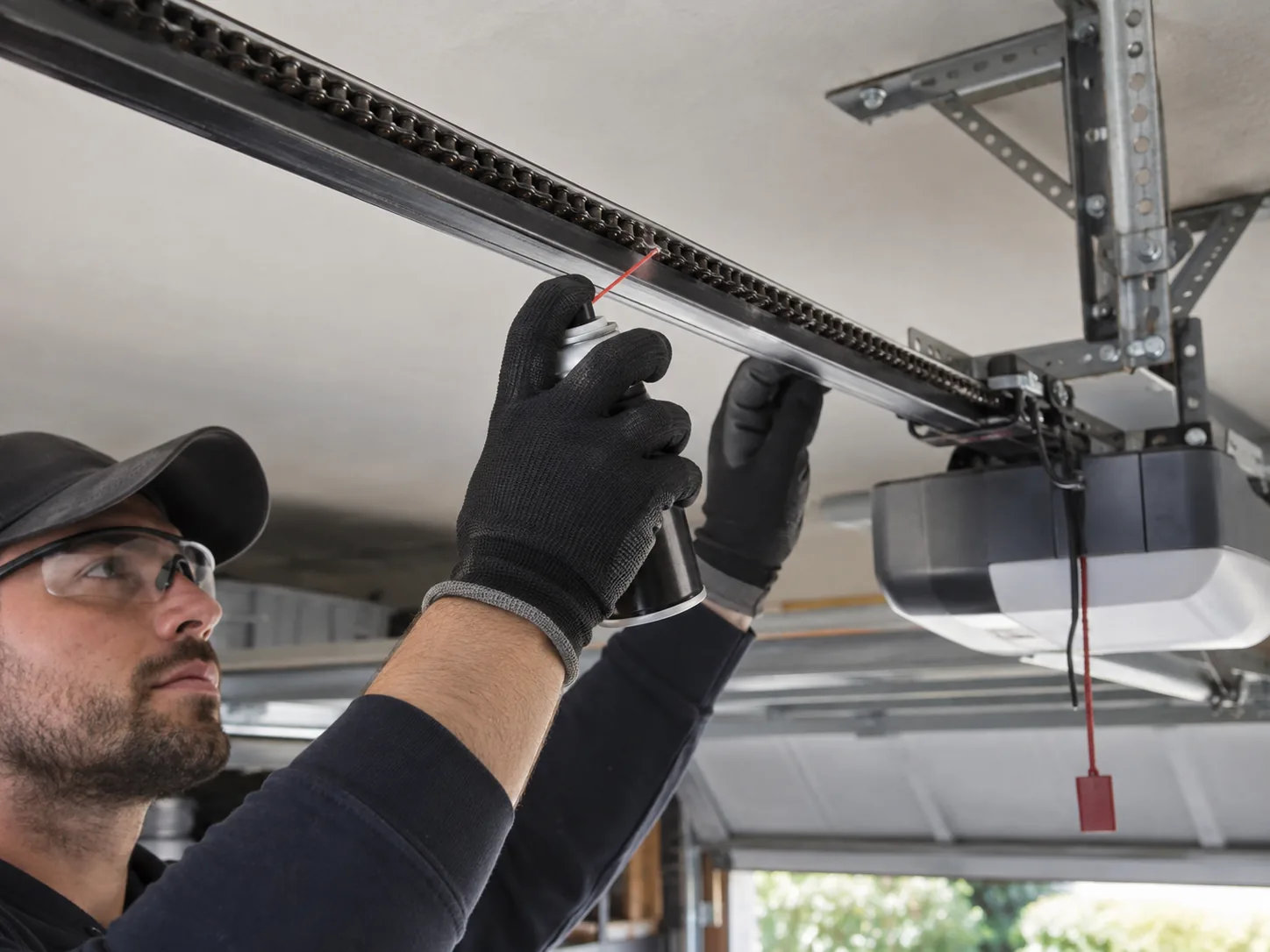
Cold thickens the grease on the rail and stiffens nylon rollers, and if the torsion spring is already fatigued from decades of use, it's got less give left to compensate. That combination is common on 1985-era doors that haven't had the tension checked in a long time.
Usually, yes, if the shaft and drums aren't worn past a serviceable point. If they are, we'll tell you it's a repair or replacement job rather than run a maintenance visit that won't hold. Parts for original mid-80s openers sometimes need a call-ahead order rather than same-visit stock.
Explore more
Ready when you are
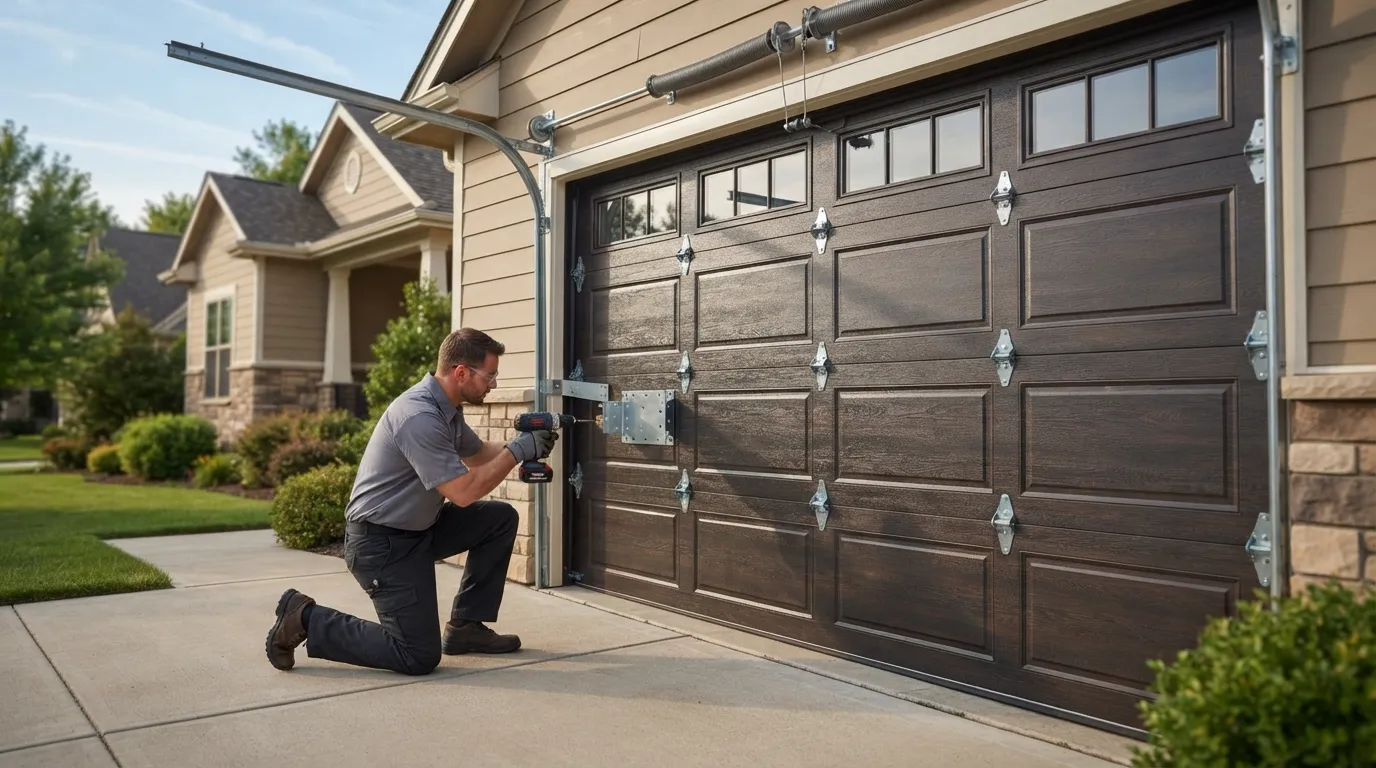
Sedona Garage Door Pros repairs and installs garage doors, springs and openers in Sedona, AZ and the surrounding area.